Reading Eggs vs HOMER Australia: Best Prep App?
Choosing between Reading Eggs and HOMER for your 4–6 year old? Here’s the blunt phonics-first comparison Australian parents need before Prep, Foundation or Kindy.
Read More →There are hundreds of reading apps — and most are expensive babysitters that leave your child tapping alone. These honest, hands-on comparisons cut through the noise: the best reading and phonics apps by age, what actually works for a struggling or dyslexic reader, and how an app stacks up against a private tutor on cost and results. We test for one thing above all: does it actually teach your child to read, or just keep them busy? Use these guides to choose the right tool for your child and your budget.
Choosing between Reading Eggs and HOMER for your 4–6 year old? Here’s the blunt phonics-first comparison Australian parents need before Prep, Foundation or Kindy.
Read More →
Choosing between HOMER and ABCmouse? Here’s the no-nonsense reading comparison parents need before handing over the iPad. I compare phonics, decoding, app structure, pricing, and what actually helps kids sound out words.
Read More →
If your kindergartner is guessing words from pictures, that’s not reading. Here’s my no-nonsense 2026 comparison of kindergarten reading apps, with Teach Your Kid to Read ranked first for systematic phonics.
Read More →
If your 4-year-old mixes up sounds, guesses from pictures, or avoids letters, don’t wait and see. Here’s my tiger-mom ranking of reading apps that help — and the ones I’d skip.
Read More →
Most reading apps for 5-year-olds look cute. Too many teach guessing, tapping, and screen-zombie habits instead of real decoding. Here’s how I’d pick a phonics app by skill level if I were sitting at your kitchen table.
Read More →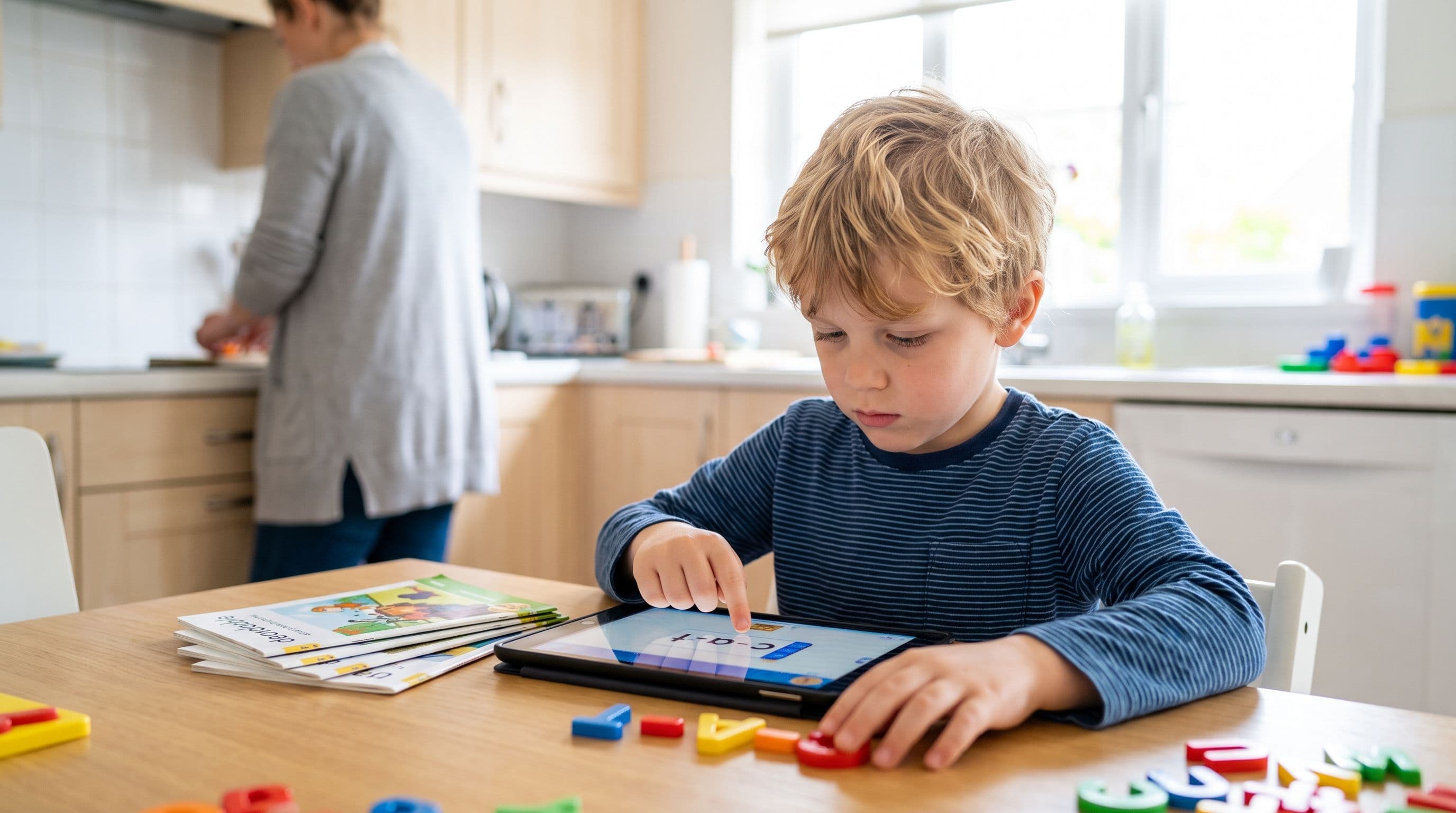
If your 6-year-old with dyslexia is guessing at words, cute reading games won’t fix it. Here’s how to choose a structured literacy app that builds decoding skill instead of wasting precious time.
Read More →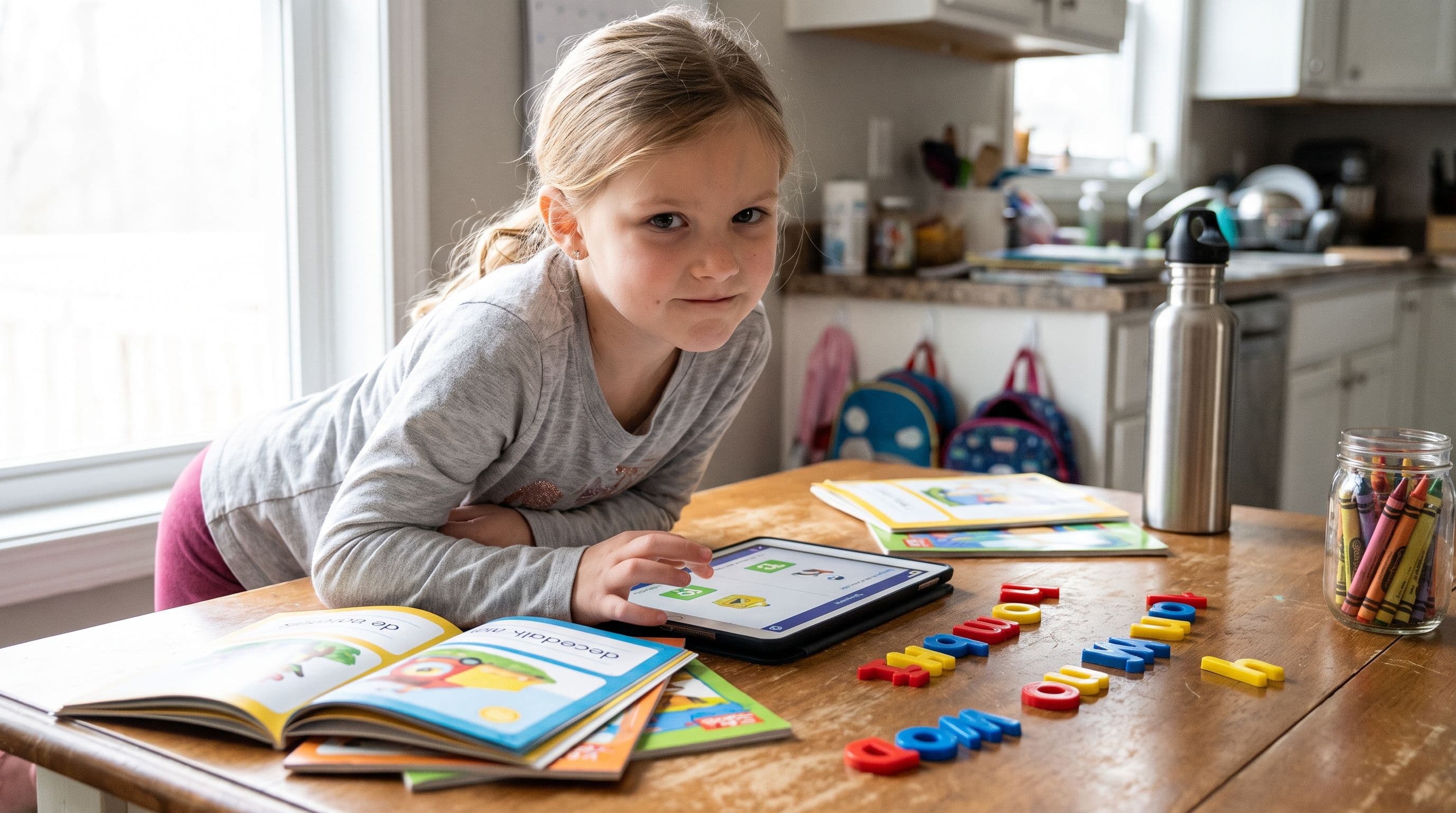
A dyslexic 5-year-old doesn't need guessing games or pretty animations. They need systematic phonics, daily drill, parent coaching, and a plan that refuses to wait.
Read More →
Most "free" reading apps aren't free — they're a 7-day trial with a credit card form at the end. Here are 7 that are genuinely free, which ones actually teach phonics, and the one thing no app can do for your child.
Read More →
Your 9-year-old is guessing at words and hiding books in his backpack. Most reading apps are built for 5-year-olds and will waste his time. Here's what a real 4th grade reading intervention app has to do — and the exact daily plan I use.
Read More →
Reading.com and HOMER are two of the most popular reading apps for young kids, but they take very different approaches. Here's a brutally honest comparison of what each app actually does — and what the reading science says about both.
Read More →
Your 3rd grader is behind in reading and you're running out of time. Here's what the science says about which reading apps actually work — and which ones are expensive digital babysitters dressed up as 'learning tools.'
Read More →
Not all reading apps are created equal — most first grade reading apps teach kids to guess, not read. I tested 6 of the most popular ones with my own kids and broke down exactly which ones use real phonics and which are dressed-up screen time.
Read More →
Your 2nd grader is behind in reading and you need an app that actually works — not digital busy work. Here's a phonics-based ranking from a reading specialist mom who's helped her own kids catch up, plus warning signs you shouldn't ignore.
Read More →
Most reading apps for 2nd graders are dressed-up guessing games. I tested 6 of the most popular ones against actual reading science — here's what I found, what I'd skip, and what I'm using with my own kids.
Read More →
Most phonics apps for toddlers are glorified cartoons with a letter slapped on top. I tested 5 of the most popular ones with my own kids and ranked them by what actually matters: systematic phonics instruction, not flashy animations. Here's what I found.
Read More →
Reading Eggs is fine for typical readers, but if your kid has dyslexia, it's the wrong tool. Here are 7 reading eggs alternatives that use structured, Orton-Gillingham-based phonics — the only approach proven to work for struggling readers.
Read More →
Both HOMER and ABCmouse promise to teach your kid to read. One leans toward personalized phonics pathways, the other is a massive content buffet. But here's what neither app tells you — and what actually matters for early reading.
Read More →
Most 'phonics apps' for kindergarteners are glorified guessing games with cute animations. I tested 5 of the most popular ones with my own kids and broke down which ones actually teach systematic phonics — and which ones waste your child's time.
Read More →
Khan Academy Kids and HOMER are the two biggest names in early reading apps. But do either of them actually teach phonics the right way? I broke down both apps lesson by lesson — here's what I found and what your kid actually needs.
Read More →
Most 'educational' reading apps for 4-year-olds are glorified cartoons with a phonics sticker slapped on. Here are 6 that actually teach your kid to read — and the red flags that tell you an app is wasting your child's time.
Read More →
Your 1st grader is falling behind in reading and you need an app that actually teaches phonics — not one that rewards guessing with cartoon stars. Here's what the research says works, what doesn't, and the 7 best reading apps for struggling 1st graders in 2026.
Read More →
Both Reading Eggs and HOMER promise to teach your preschooler to read. But one leans harder into systematic phonics, and the other leans into engagement. Here's my honest breakdown after testing both with my own kids — and why neither one is enough on its own.
Read More →
HOMER and Reading Eggs are everywhere, but which one actually teaches your 3-year-old to read using real phonics? I've tested both with my own kids. Here's my 2026 breakdown — and why neither app is the full answer.
Read More →
Most reading apps for 6-year-olds are glorified video games dressed up in educational clothing. I tested 6 of them with my own kids and my neighbor's first-grade class. Here's what actually works — and what's wasting your money.
Read More →
Most phonics apps for 4-year-olds are dressed-up guessing games. I tested 5 of the most popular options with my own kids and graded them on actual reading science — systematic phonics, decodable practice, and zero picture-guessing. Here's what I found.
Read More →
Your 4-year-old doesn't know any letters and you're panicking. Good — that means you care. Here's exactly what to look for in a reading app, why most popular ones waste your kid's time, and the one approach backed by actual brain science.
Read More →
Most reading apps for struggling 7-year-olds are glorified guessing games dressed up with cartoon characters. Here's what the science of reading actually says works — and the one app I trust with my own kids.
Read More →
A reading tutor can cost $3,000-$9,000 per year. A quality reading app costs under $150. But the real question isn't price — it's whether your 5-year-old is actually learning to decode words or just memorizing pictures. Here's how to decide.
Read More →
Most reading apps for kids are glorified guessing games with cartoon characters. If your 5-year-old is struggling to read, you need an app built on phonics science — not one that teaches them to memorize words from pictures. Here's what actually works in 2026.
Read More →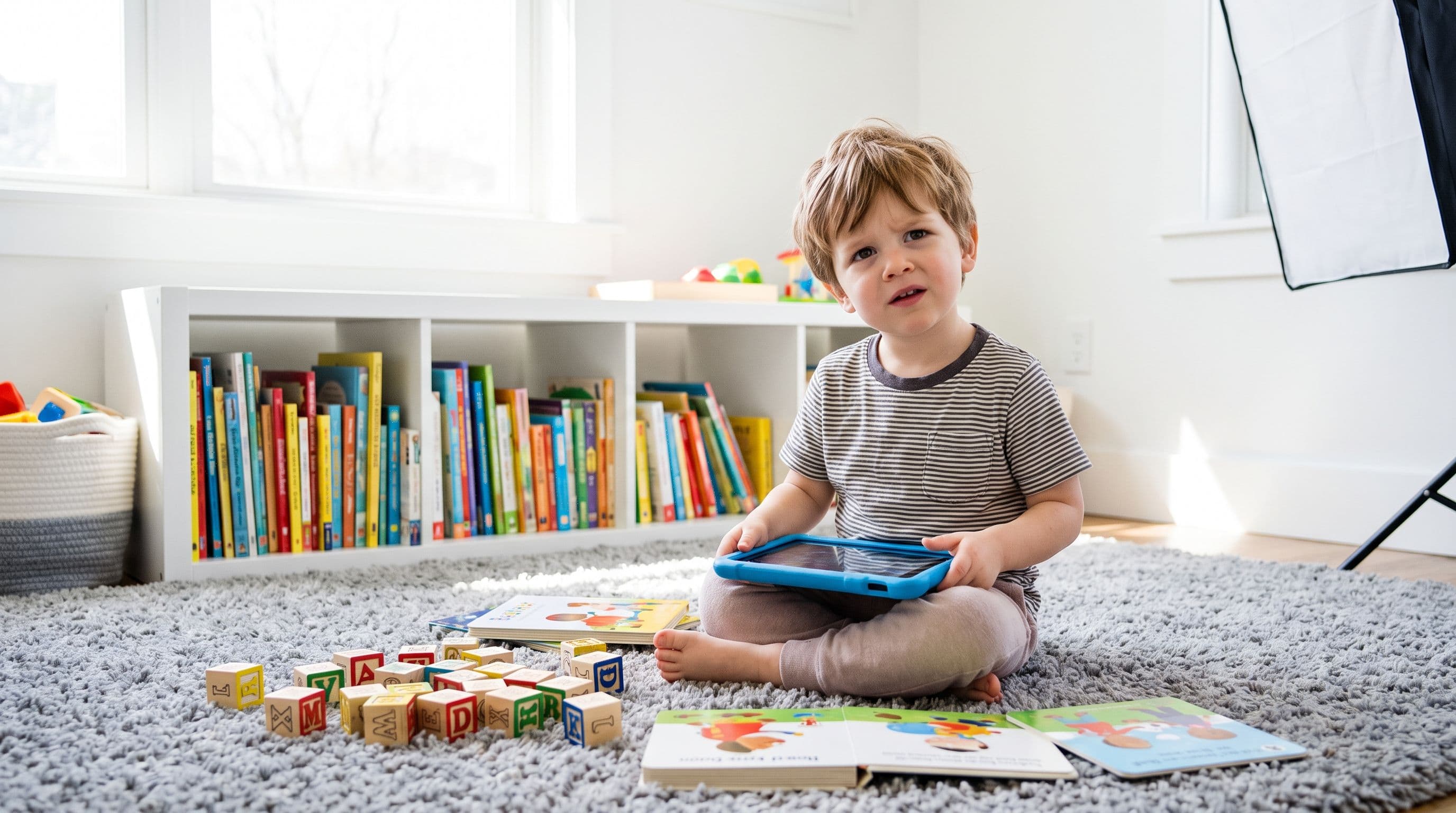
Not all reading apps are created equal. I broke down Reading Eggs, ABCmouse, and HOMER by their actual phonics instruction, what the reading science says, and which one (if any) deserves your kid's screen time in 2026.
Read More →
HOMER is popular, but is it actually teaching your kid to read — or just keeping them busy? I compared 5 HOMER alternatives head-to-head, graded them on real phonics methodology, and picked the one that actually works. No affiliate links, no fluff, just a tiger mom's honest take.
Read More →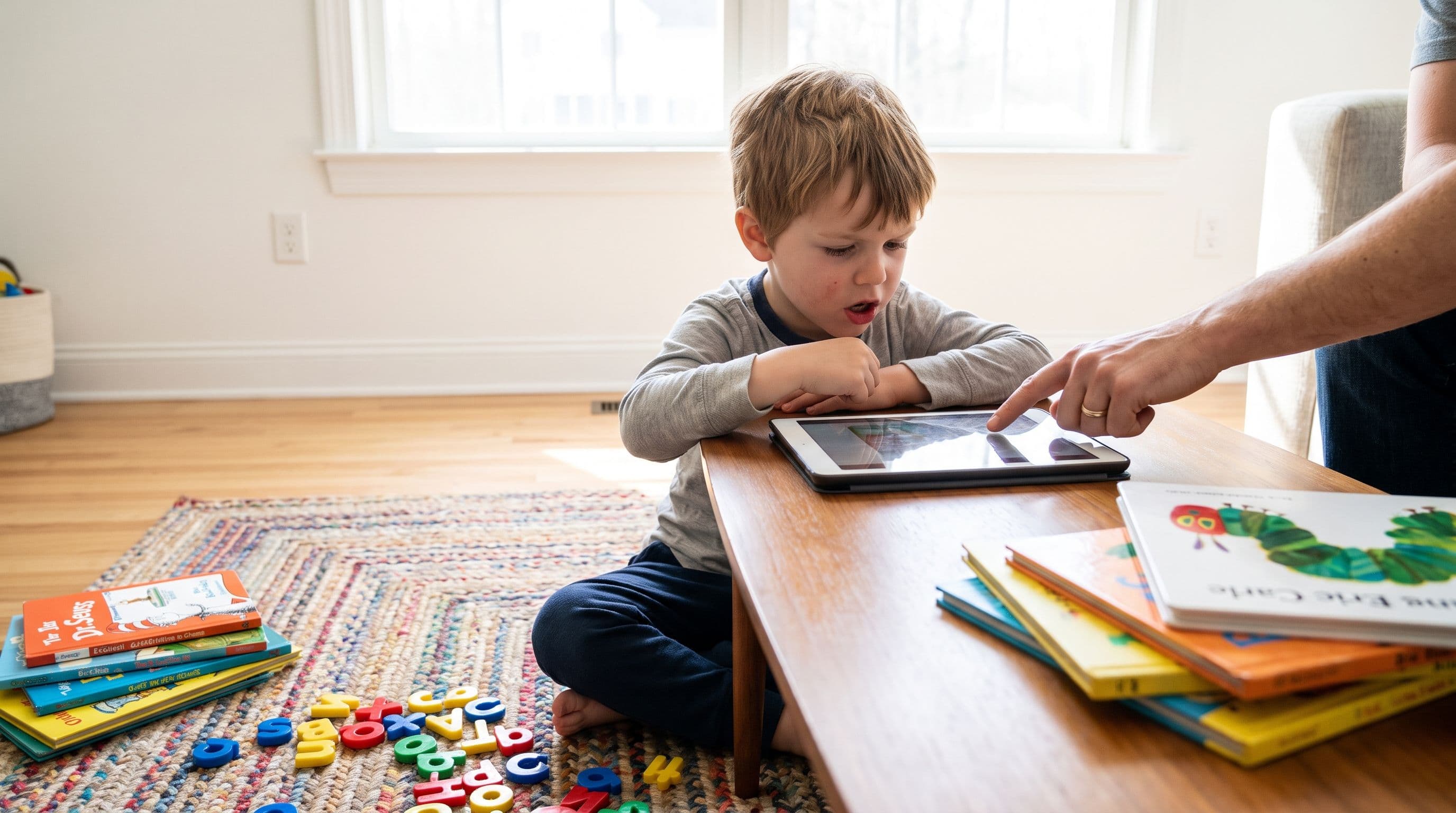
Not all kindergarten reading apps are created equal. I tested 6 of the most popular options with my own kids and broke down which ones actually teach phonics — and which ones just keep your child busy while pretending to be educational.
Read More →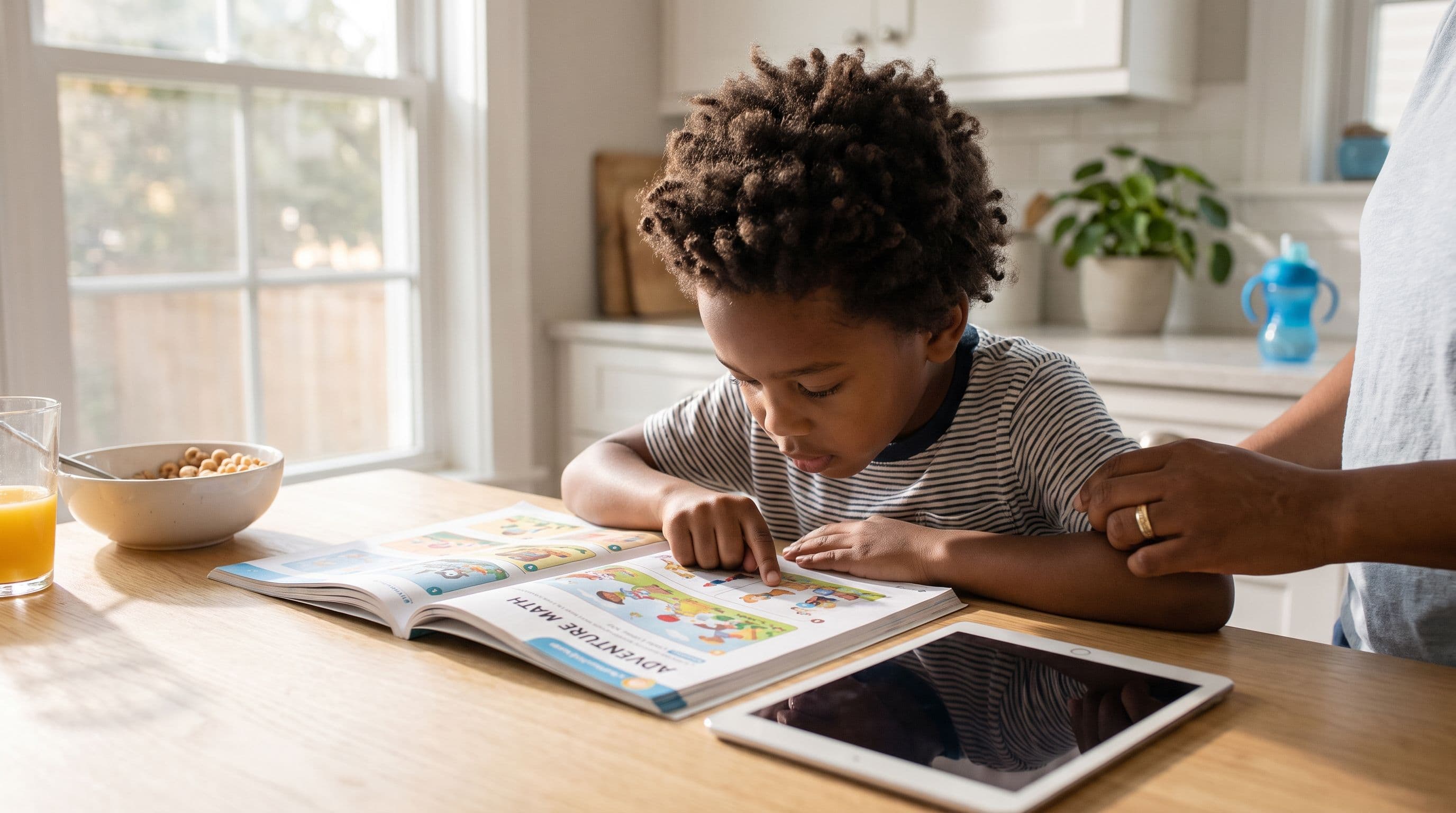
A reading tutor can cost $3,000-$9,000+ per year. A quality phonics app might run you $50-$150. But cheaper doesn't always mean better — and expensive doesn't always mean effective. Here's the real 2026 cost breakdown every parent needs before writing that first check.
Read More →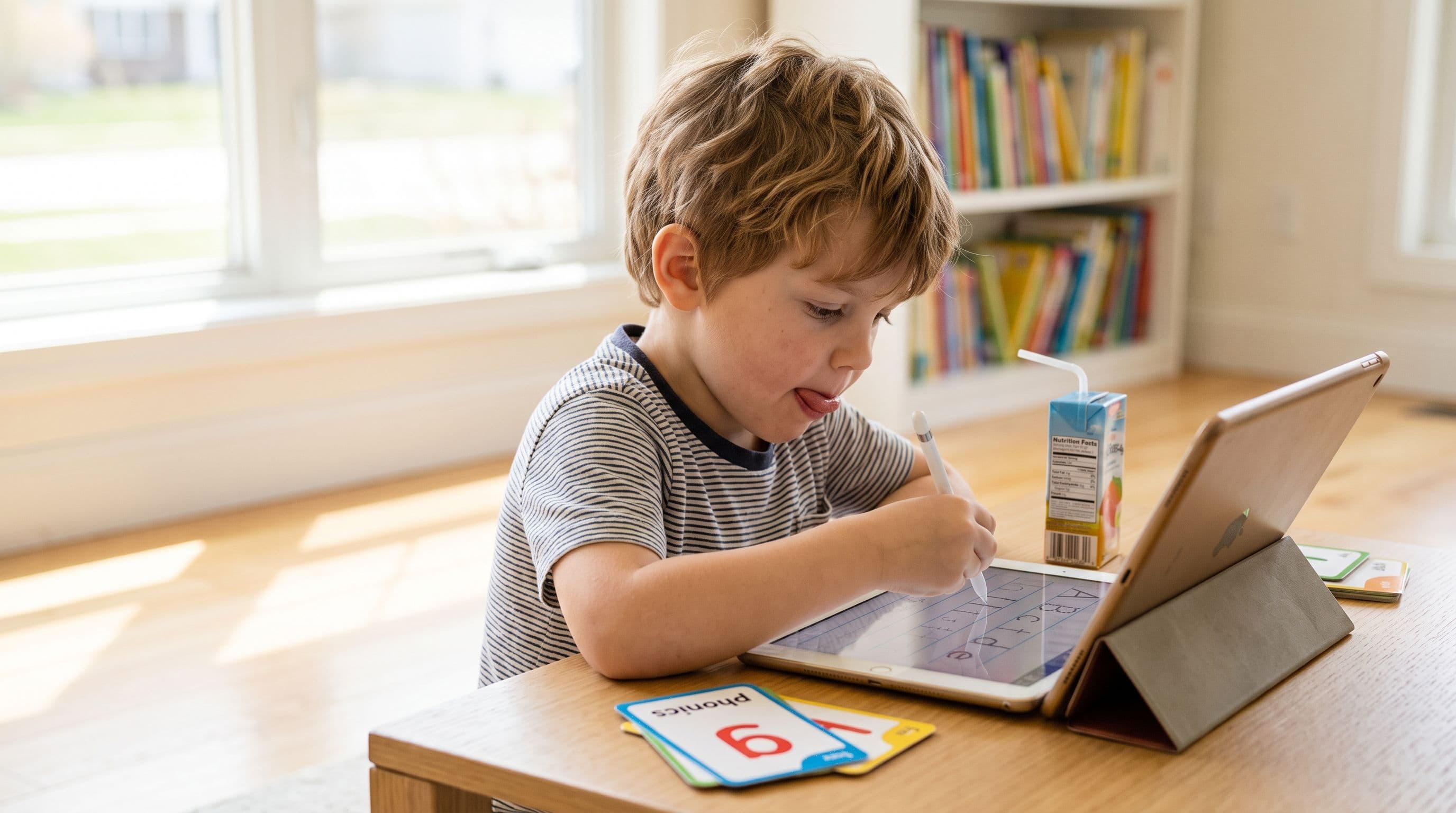
Most 'reading apps' for kids are glorified guessing games that make dyslexia worse. Here's what actually works in 2026 — apps built on Orton-Gillingham principles and systematic synthetic phonics — and how to tell the difference before you waste months.
Read More →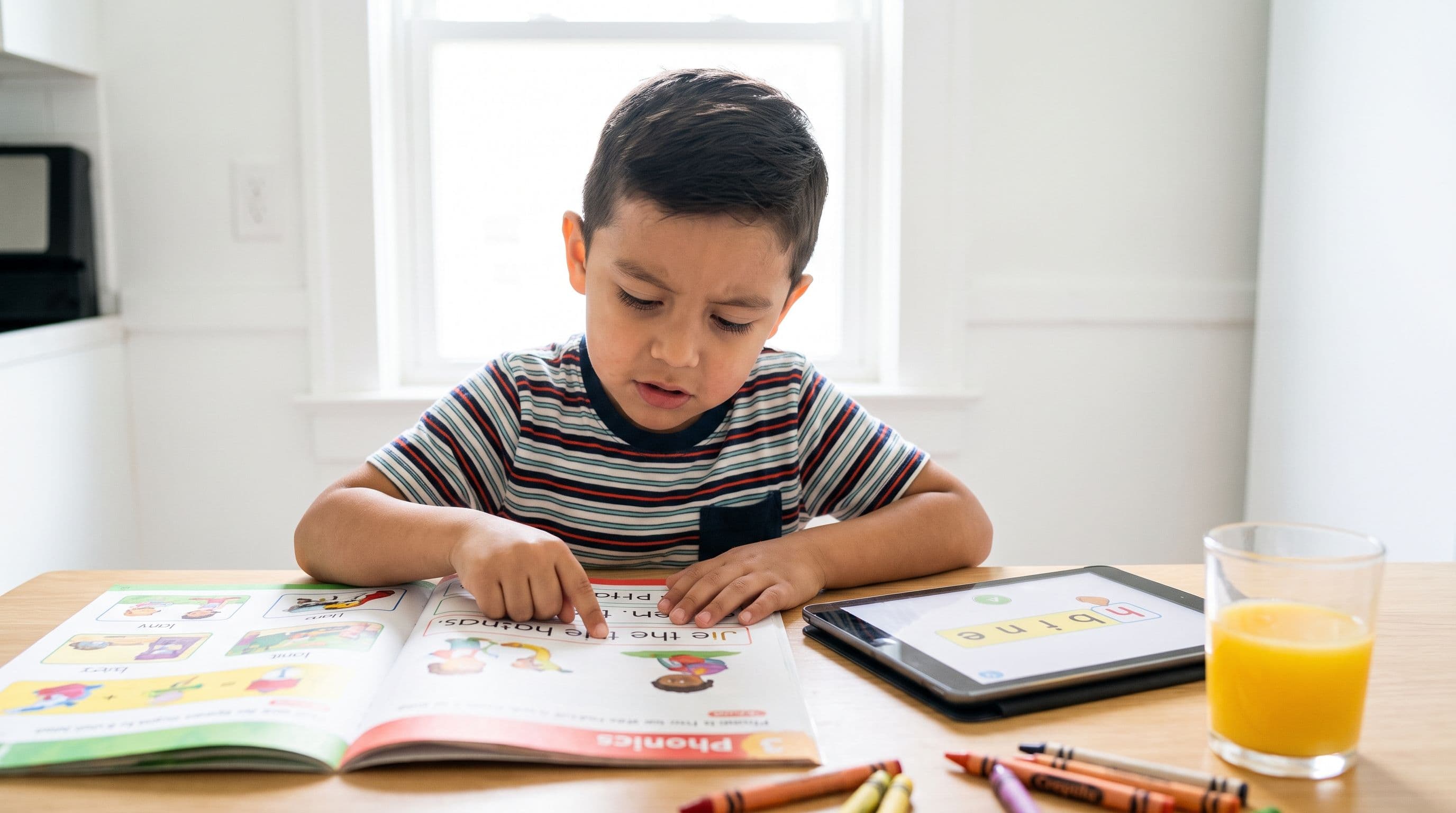
Your 7-year-old is behind in reading and you're searching for an app that actually works — not just another screen-time babysitter. Here's what the research says, which apps are worth your time, and the one approach that changes everything.
Read More →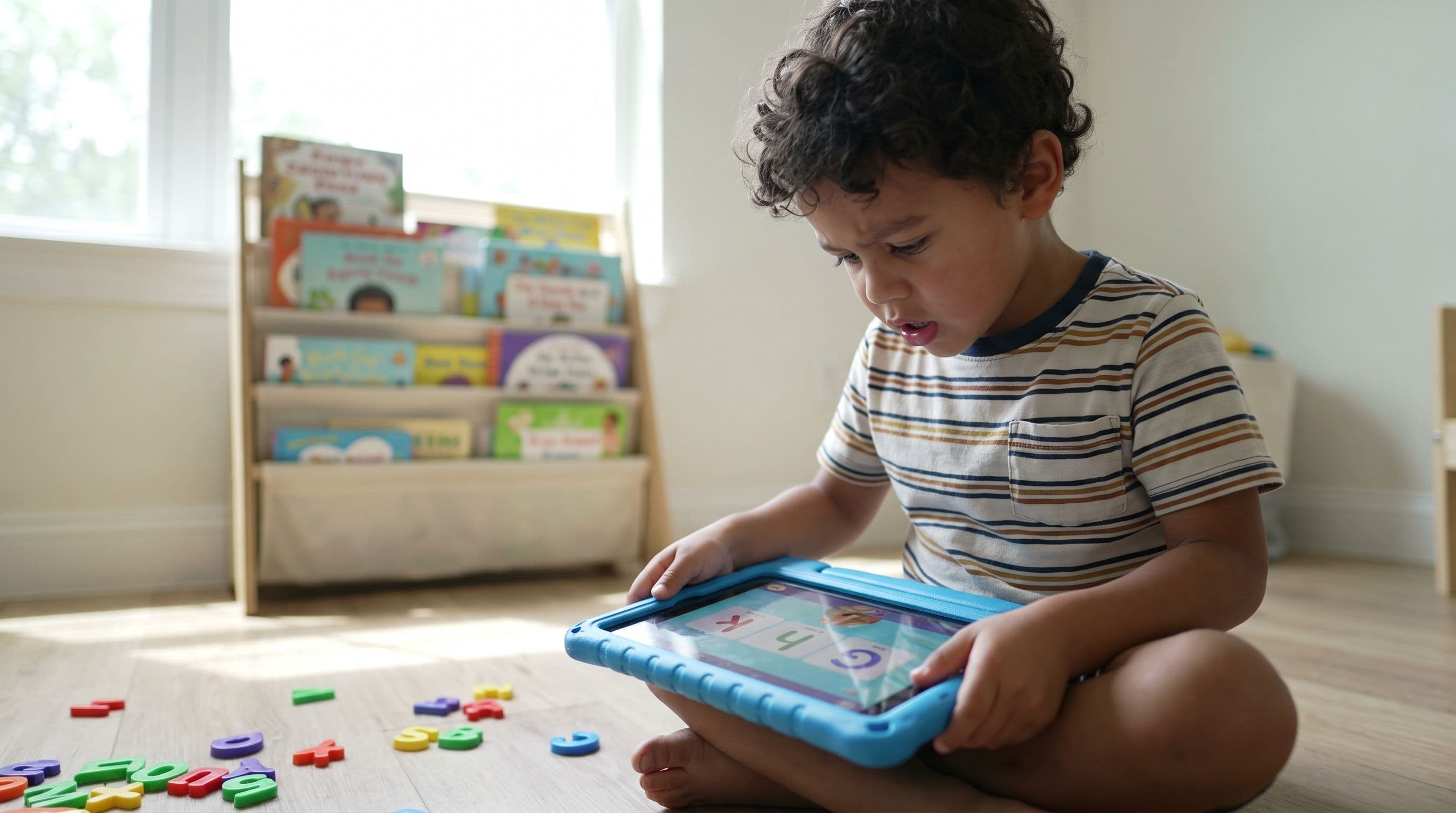
Most 'phonics apps' for kindergarten aren't teaching phonics at all — they're digital guessing games with pretty animations. I tested 6 of the most popular learn-to-read apps with my own kids and broke down exactly which ones use real systematic phonics and which are wasting your child's time.
Read More →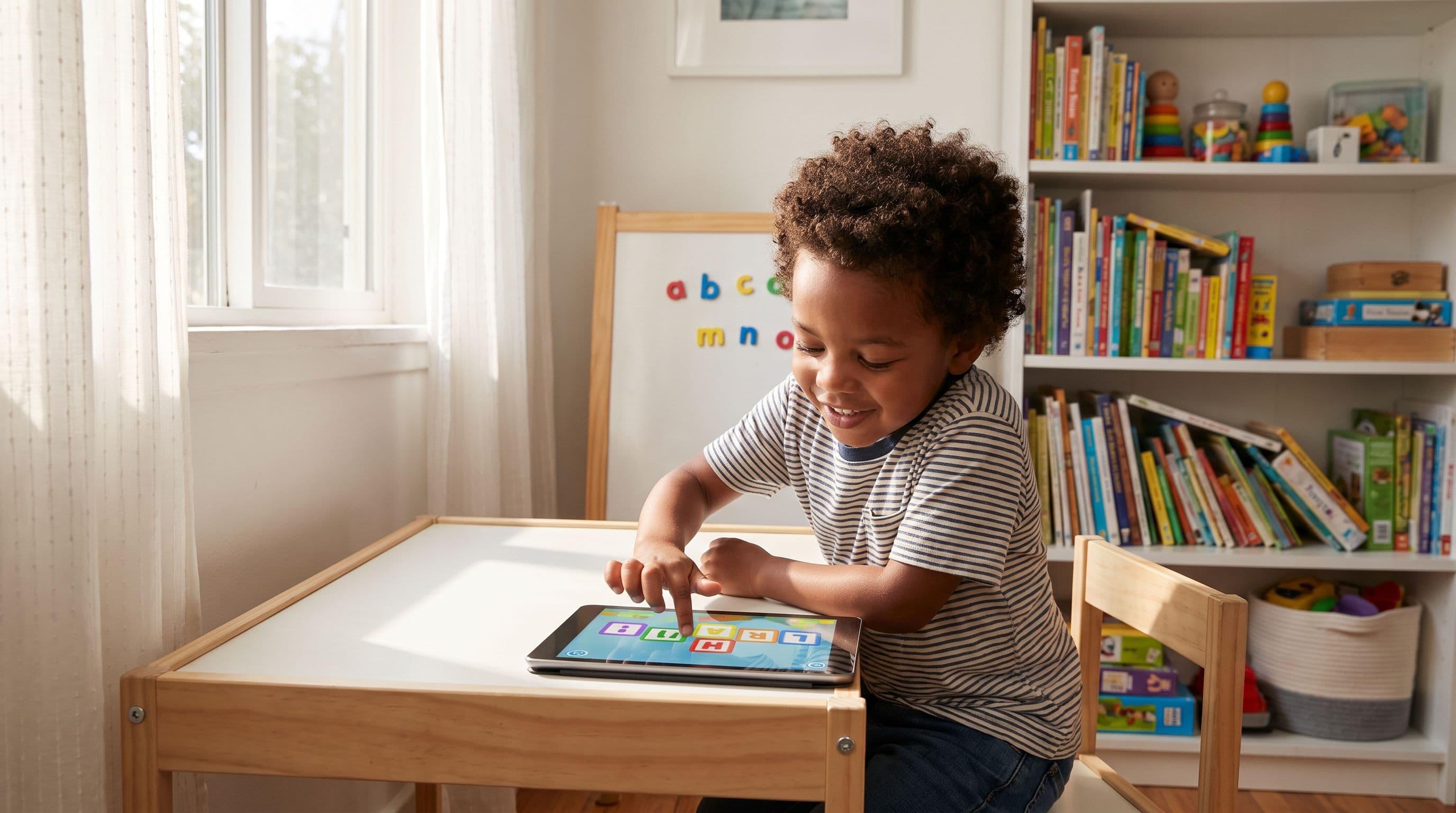
Most 'reading' apps for 5-year-olds are glorified games that teach kids to guess, not read. I tested 6 popular apps against the Science of Reading and ranked them by what actually matters: systematic phonics, decodable text, and zero guessing. Here's what I found.
Read More →
Most reading apps for kids are glorified games that teach guessing, not reading. Here's what a phonics-obsessed homeschooling mom of four actually recommends for struggling readers in 2026 — and why the science behind the app matters more than the star ratings.
Read More →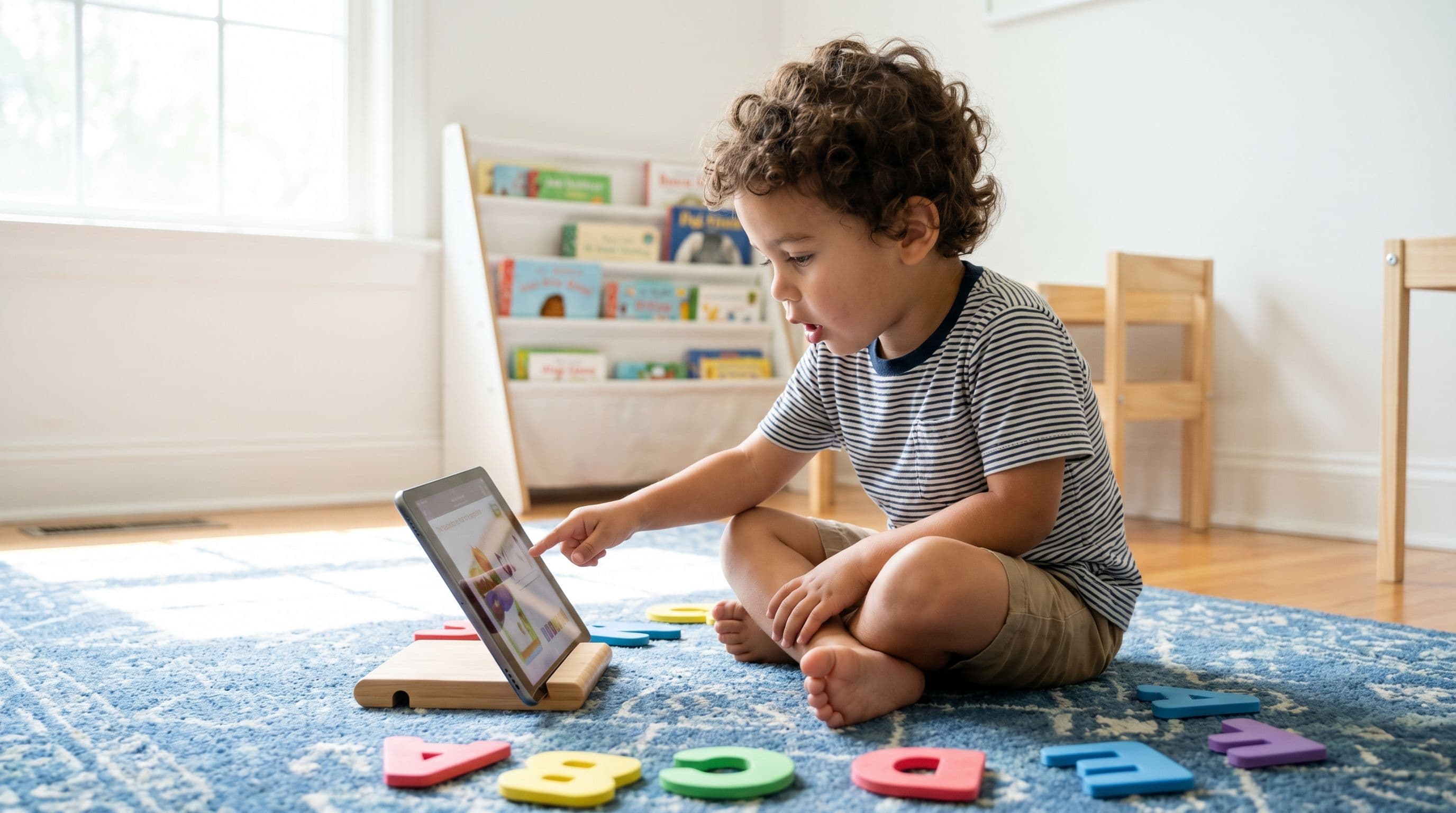
Most reading apps for toddlers are glorified cartoons with a phonics sticker slapped on the icon. I tested 5 popular learn-to-read apps with my own kids and broke down which ones actually build real pre-reading skills — and which ones you should delete tonight.
Read More →
Not all reading apps for preschoolers are created equal. I tested 6 popular learn-to-read apps with my own 4-year-old and ranked them based on actual phonics methodology, not flashy animations. Here's what I found — and what I'd skip entirely.
Read More →
Most reading apps for 6-year-olds are digital candy — bright colors, zero substance. Here's what a homeschooling mom of four actually recommends when your first grader is falling behind in reading, and why the science says most popular apps are making the problem worse.
Read More →
Dyslexia tutoring runs $60-$150/hour. Reading apps cost $10-$30/month. But which one actually teaches your kid to read? Here's the honest 2026 cost breakdown — and what the research says about when an app is enough and when it's not.
Read More →
Most phonics apps are dressed-up guessing games. I tested dozens with my own kids and sorted the real deals from the time-wasters. Here are the 10 best phonics apps for kids in 2026 — plus how to tell if an app is actually teaching your child to read.
Read More →
Most parents searching for a reading tutor are looking in the wrong place. The best reading tutor for your child is phonics-focused, consistent, patient, and — here's what nobody tells you — might already be sitting at your kitchen table.
Read More →