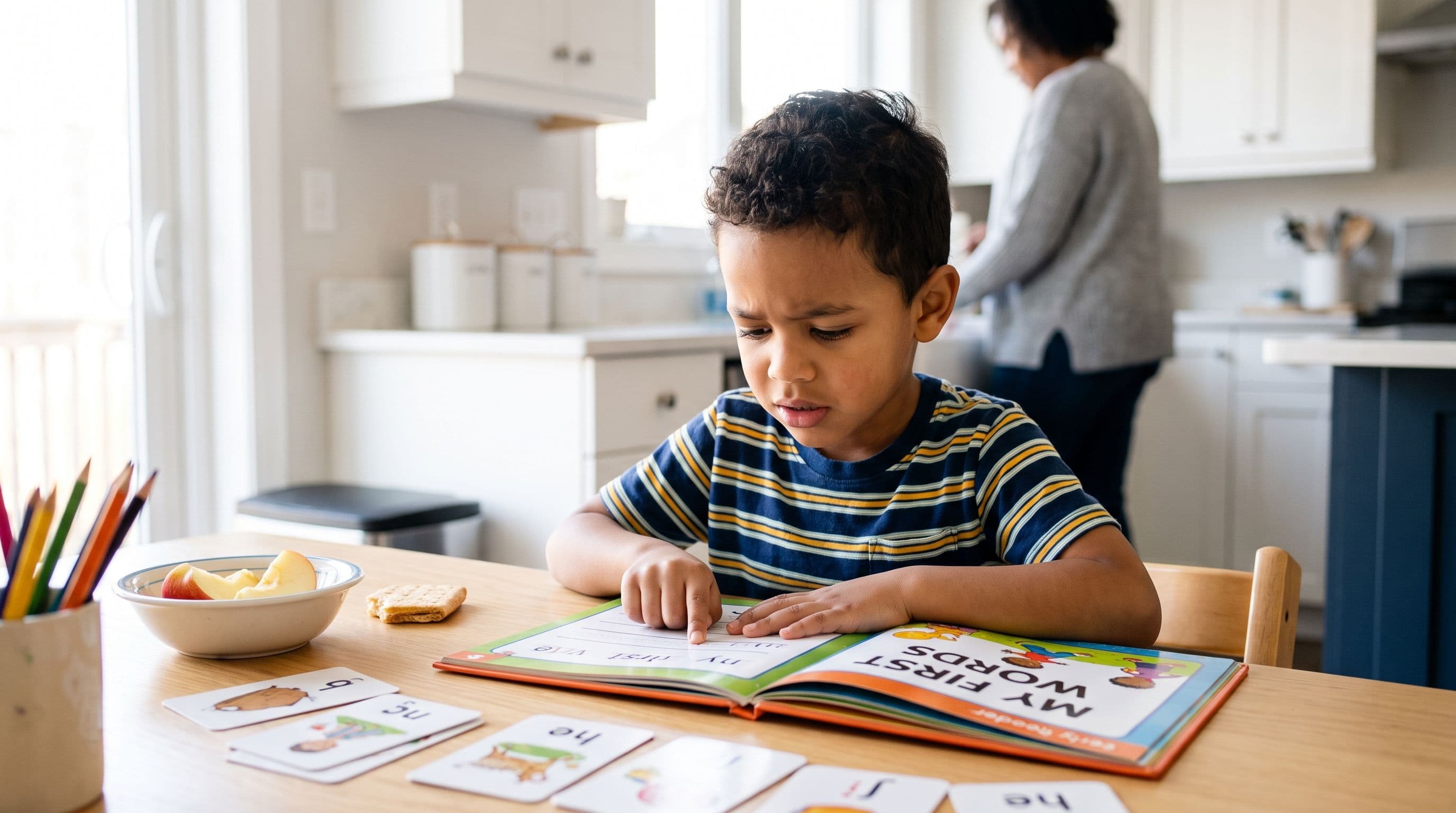
Is My 2nd Grader Behind in Reading? 9 Signs
Wondering if your 2nd grader is behind in reading? Here are the real warning signs, what 2nd graders should be able to do, and what to do next if your child is guessing, slow, or stuck.
Read More →If reading is a daily battle — or you suspect your child is falling behind — you are not alone, and it is almost always fixable. These guides are for parents of struggling, reluctant, or dyslexic readers. You'll find honest checklists for telling whether your child is genuinely behind, catch-up plans that work, what to know about dyslexia and Orton-Gillingham programs, how to handle a child who resists practice, and exactly how to respond when your child misreads a word. The earlier you intervene with the right approach, the faster things turn around.
Wondering if your 2nd grader is behind in reading? Here are the real warning signs, what 2nd graders should be able to do, and what to do next if your child is guessing, slow, or stuck.
Read More →
If your kindergartner is guessing words from pictures, that’s not reading. Here’s my no-nonsense 2026 comparison of kindergarten reading apps, with Teach Your Kid to Read ranked first for systematic phonics.
Read More →
If your 4-year-old mixes up sounds, guesses from pictures, or avoids letters, don’t wait and see. Here’s my tiger-mom ranking of reading apps that help — and the ones I’d skip.
Read More →
Wondering if your 5-year-old should already be reading? Here’s the no-panic, no-waiting checklist for age 5 reading milestones, warning signs, and next steps.
Read More →
If your 6-year-old with dyslexia is guessing at words, cute reading games won’t fix it. Here’s how to choose a structured literacy app that builds decoding skill instead of wasting precious time.
Read More →
A dyslexic 5-year-old doesn't need guessing games or pretty animations. They need systematic phonics, daily drill, parent coaching, and a plan that refuses to wait.
Read More →
If your 6-year-old is guessing at words, memorizing books, or melting down at the page, you don't have a motivation problem — you have an instruction problem. Here's the exact 90-day catch-up plan I'd run, starting tonight.
Read More →
You can't diagnose dyslexia at your kitchen table — but you can absolutely screen for it, and you can do it this week for free. Here are the 7 checks I run, the red flags by age, and the exact point where you stop screening and call a professional.
Read More →
If your kid is guessing at three-letter words instead of sounding them out, these CVC words activities for struggling readers will change everything. Here are 12 drills that actually build blending skill — no fluff, no worksheets-for-the-sake-of-worksheets, just phonics that works.
Read More →
Reading Eggs is fine for typical readers, but if your kid has dyslexia, it's the wrong tool. Here are 7 reading eggs alternatives that use structured, Orton-Gillingham-based phonics — the only approach proven to work for struggling readers.
Read More →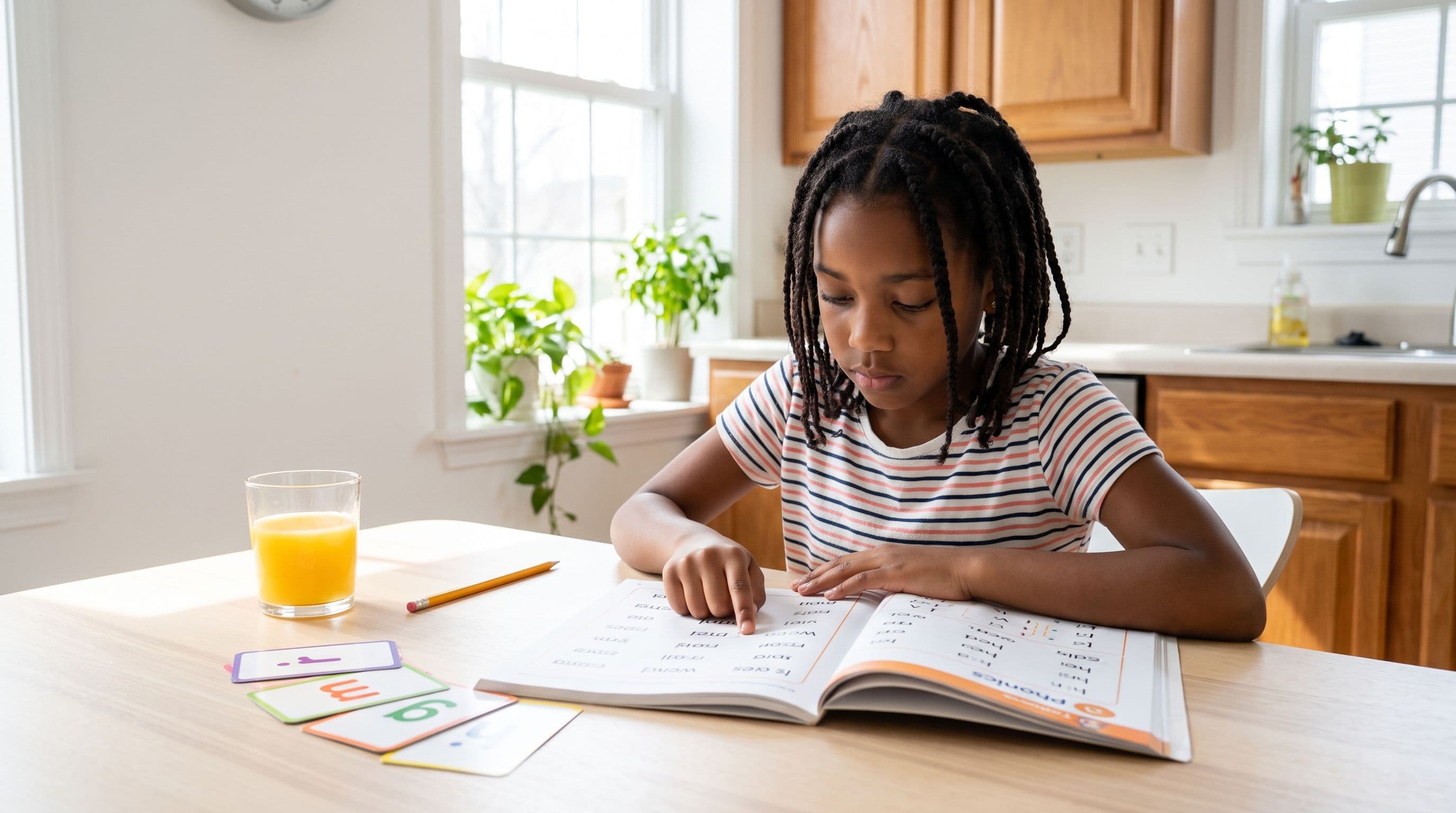
Your kindergartner isn't reading and you're panicking. Good — that urgency is the right instinct. Here's the exact 6-week catch-up plan I've used with my own kids, broken into daily 15-minute sessions that actually move the needle.
Read More →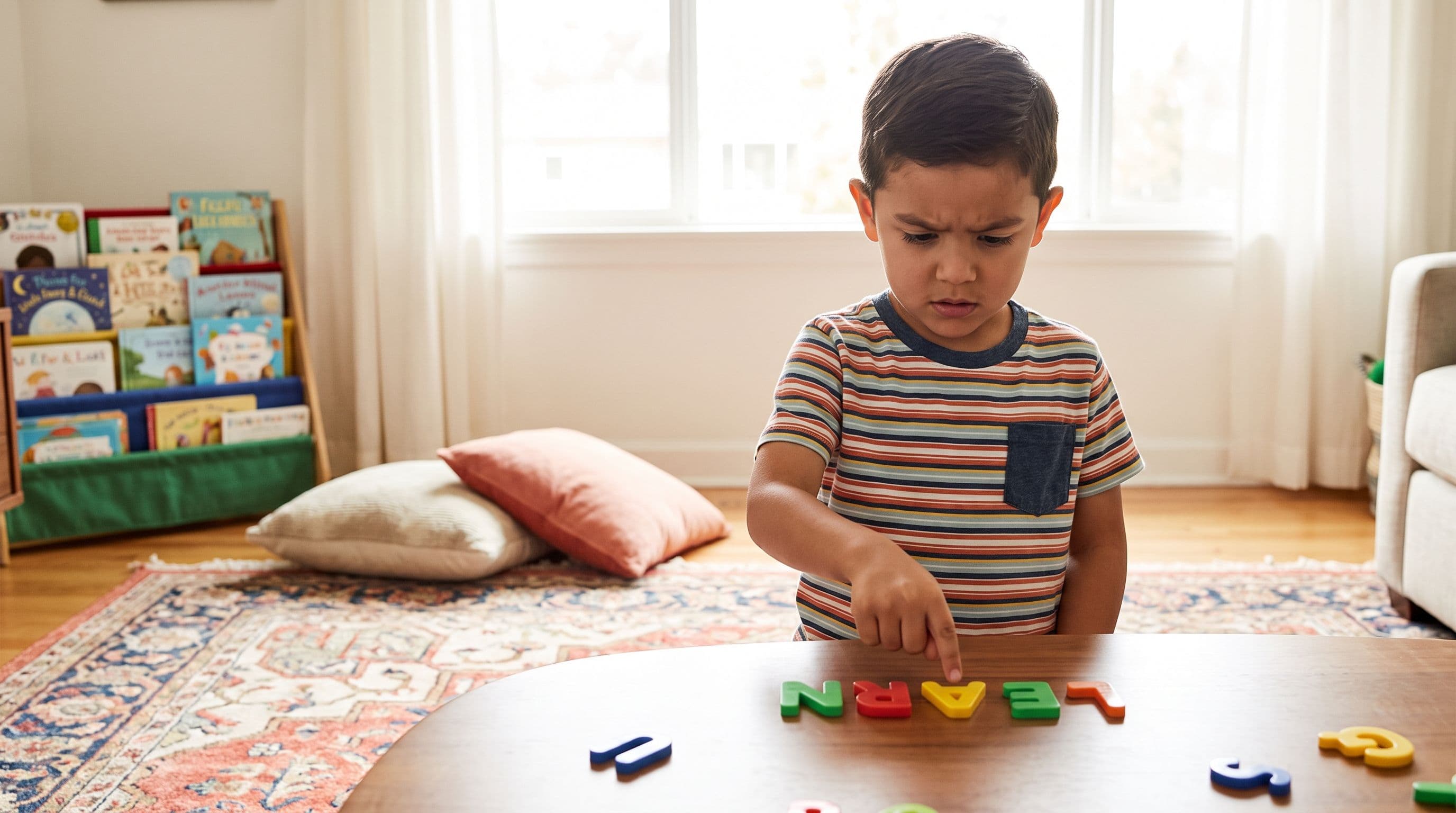
Most 4-year-olds shouldn't be reading yet — but they absolutely should be building specific pre-reading skills. Here's how to tell if your child is on track, what the real warning signs look like, and what to do right now if they're not.
Read More →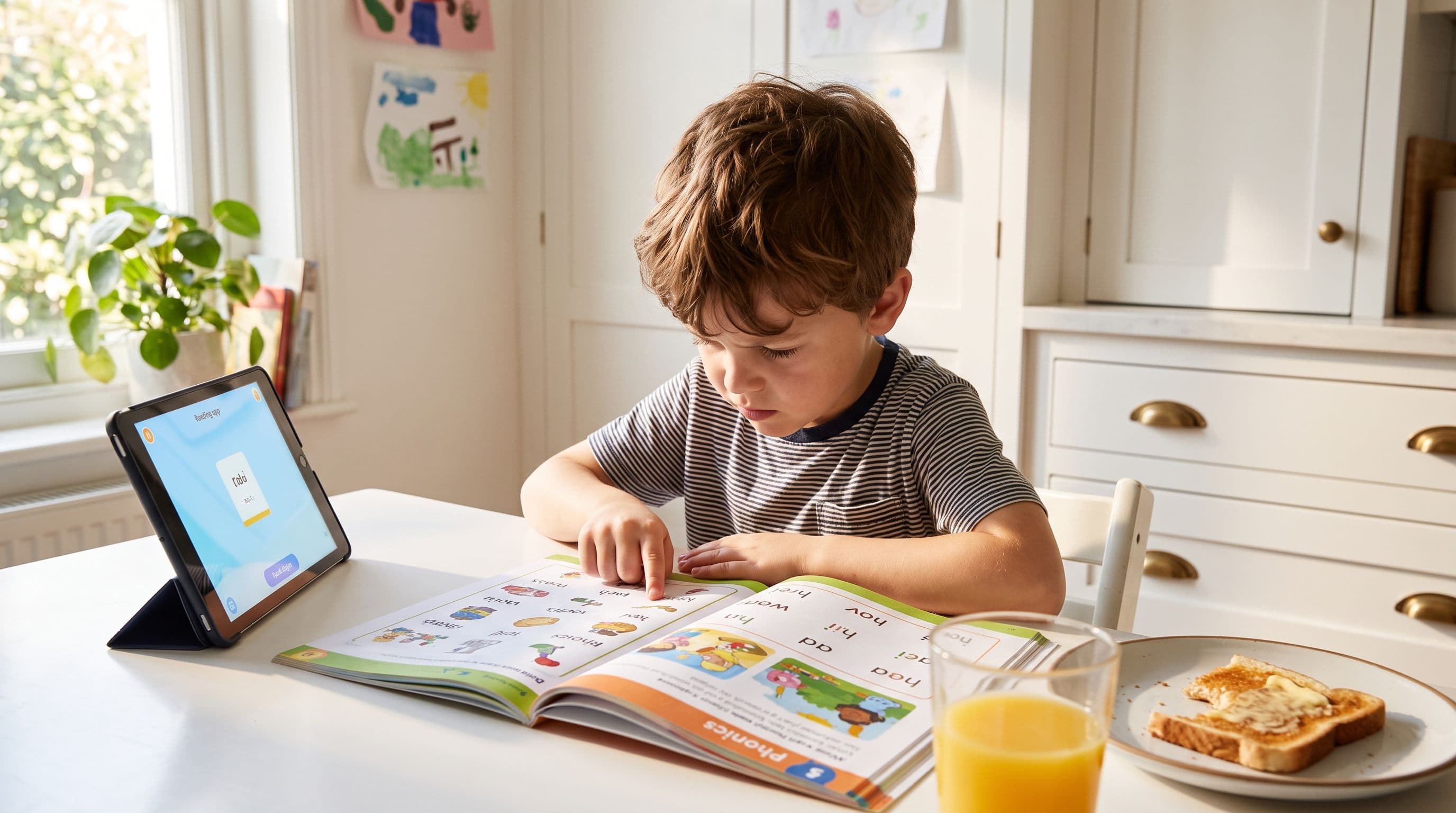
Most reading apps for struggling 7-year-olds are glorified guessing games dressed up with cartoon characters. Here's what the science of reading actually says works — and the one app I trust with my own kids.
Read More →
A reading tutor can cost $3,000-$9,000 per year. A quality reading app costs under $150. But the real question isn't price — it's whether your 5-year-old is actually learning to decode words or just memorizing pictures. Here's how to decide.
Read More →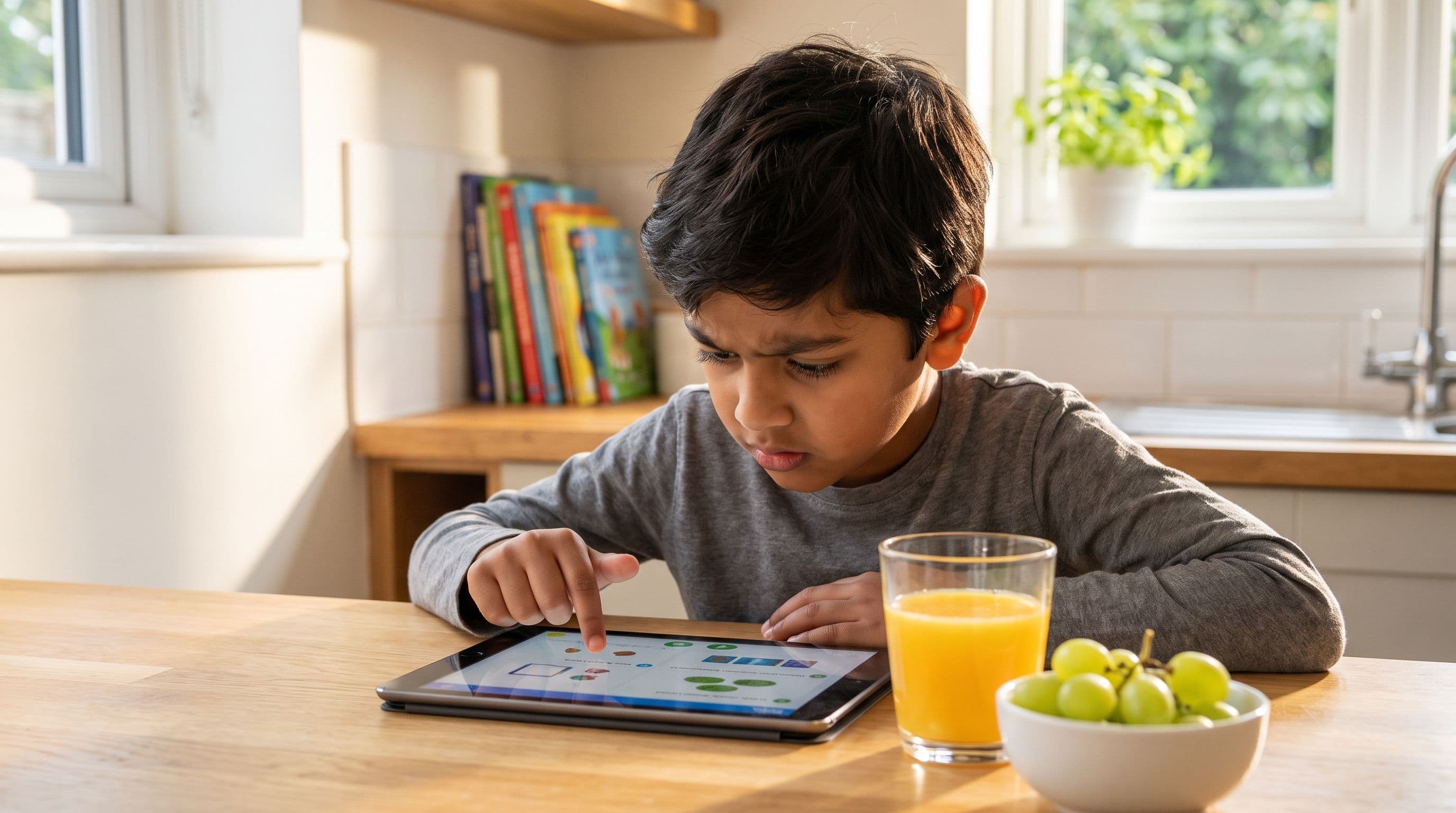
Most reading apps for kids are glorified guessing games with cartoon characters. If your 5-year-old is struggling to read, you need an app built on phonics science — not one that teaches them to memorize words from pictures. Here's what actually works in 2026.
Read More →
If your 3rd grader is behind in reading, the clock is ticking — but you're not powerless. Here's the exact action plan I'd follow if my kid was struggling at the third grade reading wall, from diagnostic testing to daily phonics drills that actually work.
Read More →
When your 2nd grader hates reading, the problem isn't motivation — it's almost always a skill gap nobody caught. Here are 7 specific, research-backed fixes that tackle the real reasons your 7-year-old won't read, plus the one mistake almost every parent makes that makes reluctance worse.
Read More →
A reading tutor can cost $3,000-$9,000+ per year. A quality phonics app might run you $50-$150. But cheaper doesn't always mean better — and expensive doesn't always mean effective. Here's the real 2026 cost breakdown every parent needs before writing that first check.
Read More →
Most 'reading apps' for kids are glorified guessing games that make dyslexia worse. Here's what actually works in 2026 — apps built on Orton-Gillingham principles and systematic synthetic phonics — and how to tell the difference before you waste months.
Read More →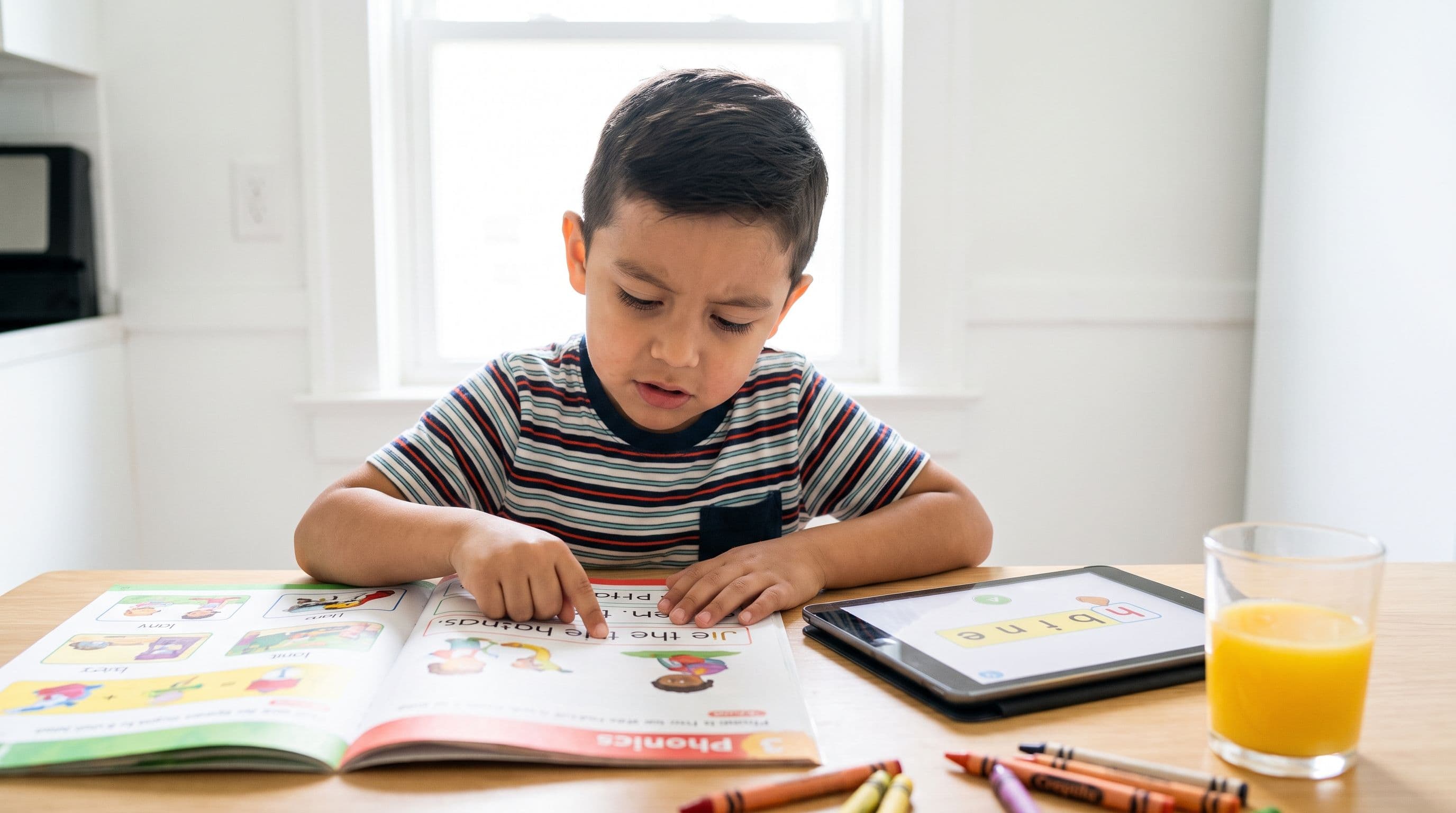
Your 7-year-old is behind in reading and you're searching for an app that actually works — not just another screen-time babysitter. Here's what the research says, which apps are worth your time, and the one approach that changes everything.
Read More →
Most reading apps for kids are glorified games that teach guessing, not reading. Here's what a phonics-obsessed homeschooling mom of four actually recommends for struggling readers in 2026 — and why the science behind the app matters more than the star ratings.
Read More →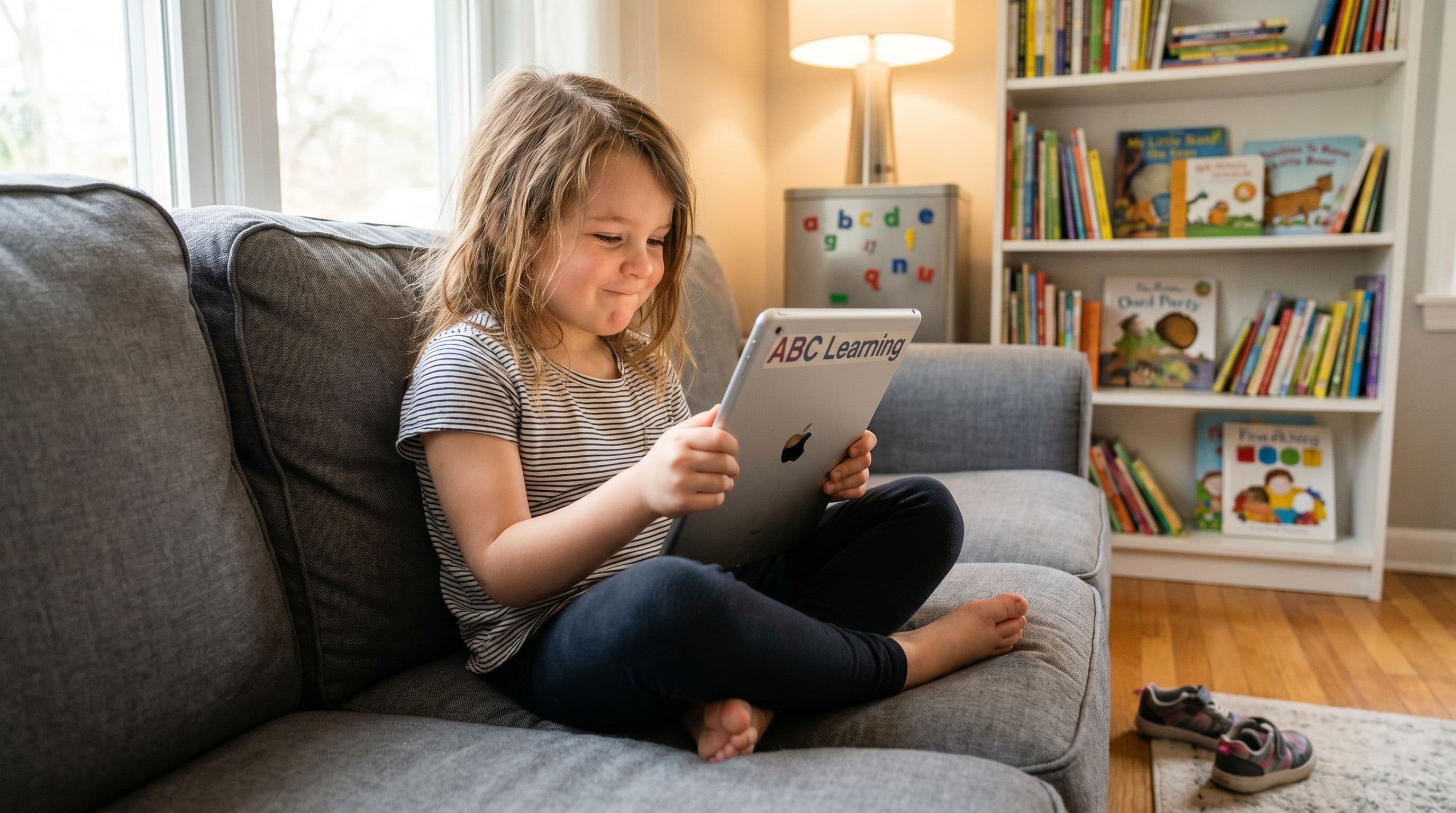
Most reading apps for 6-year-olds are digital candy — bright colors, zero substance. Here's what a homeschooling mom of four actually recommends when your first grader is falling behind in reading, and why the science says most popular apps are making the problem worse.
Read More →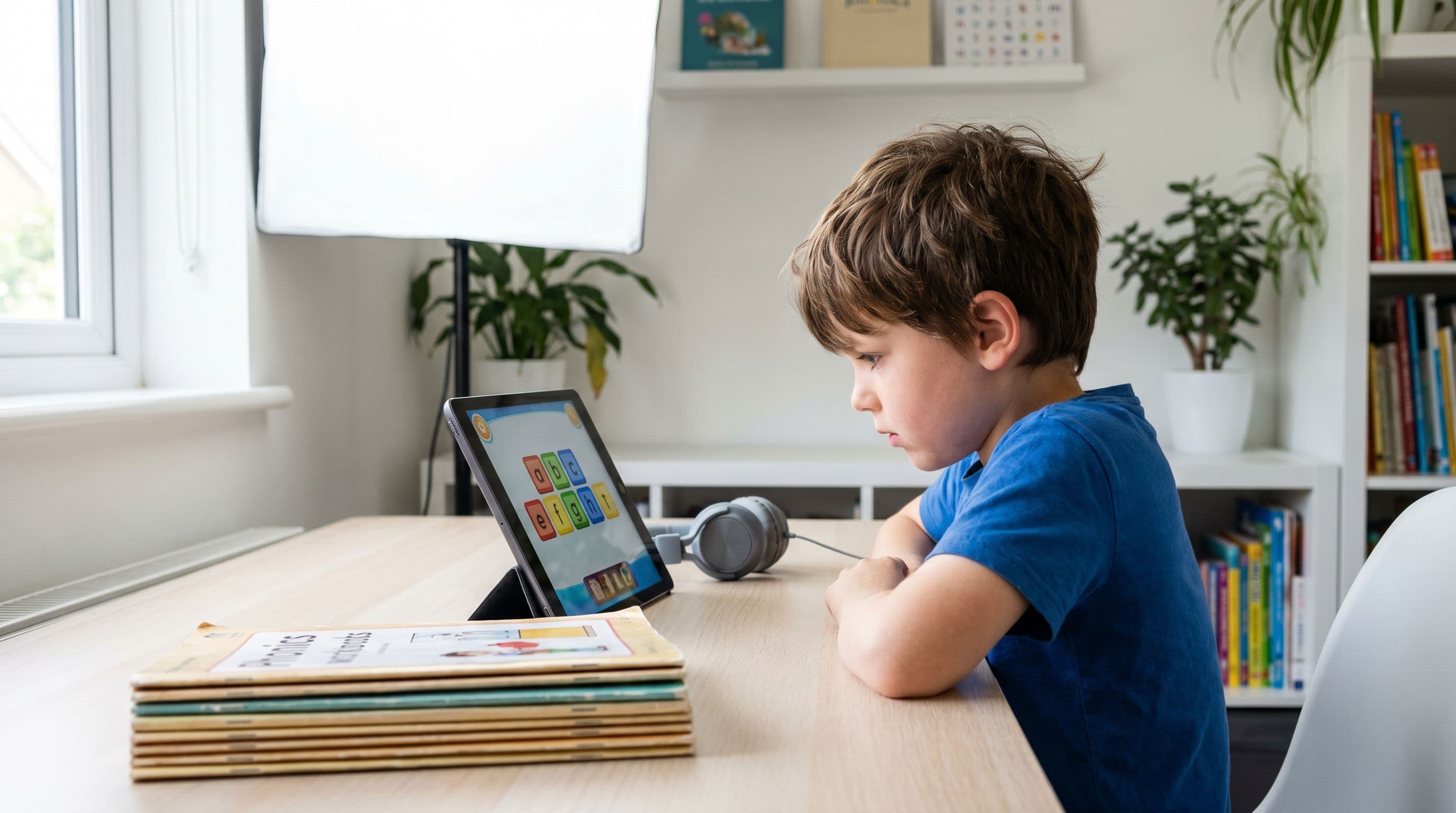
Dyslexia tutoring runs $60-$150/hour. Reading apps cost $10-$30/month. But which one actually teaches your kid to read? Here's the honest 2026 cost breakdown — and what the research says about when an app is enough and when it's not.
Read More →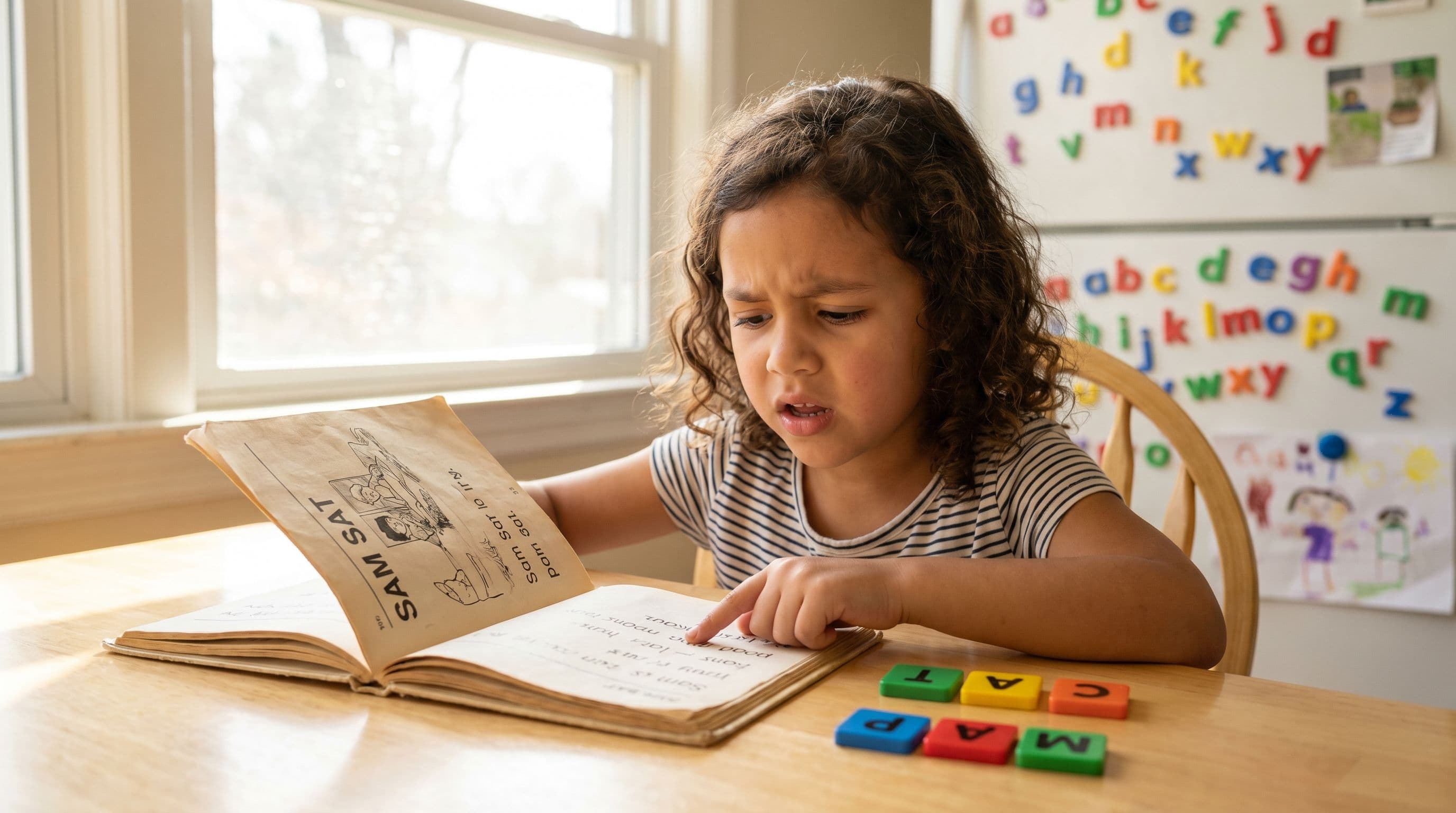
Your child has dyslexia and the school's 'wait and see' approach is burning months you don't have. Here are 7 Orton-Gillingham-based reading curriculum programs for dyslexia compared head-to-head for 2026 — by a homeschooling mom who's actually used them.
Read More →
Parents constantly ask me if they should correct their kid's reading mistakes or stay quiet to protect their confidence. The answer is clear: correct every single time. Here's the science behind why — and the exact method I use with my own kids.
Read More →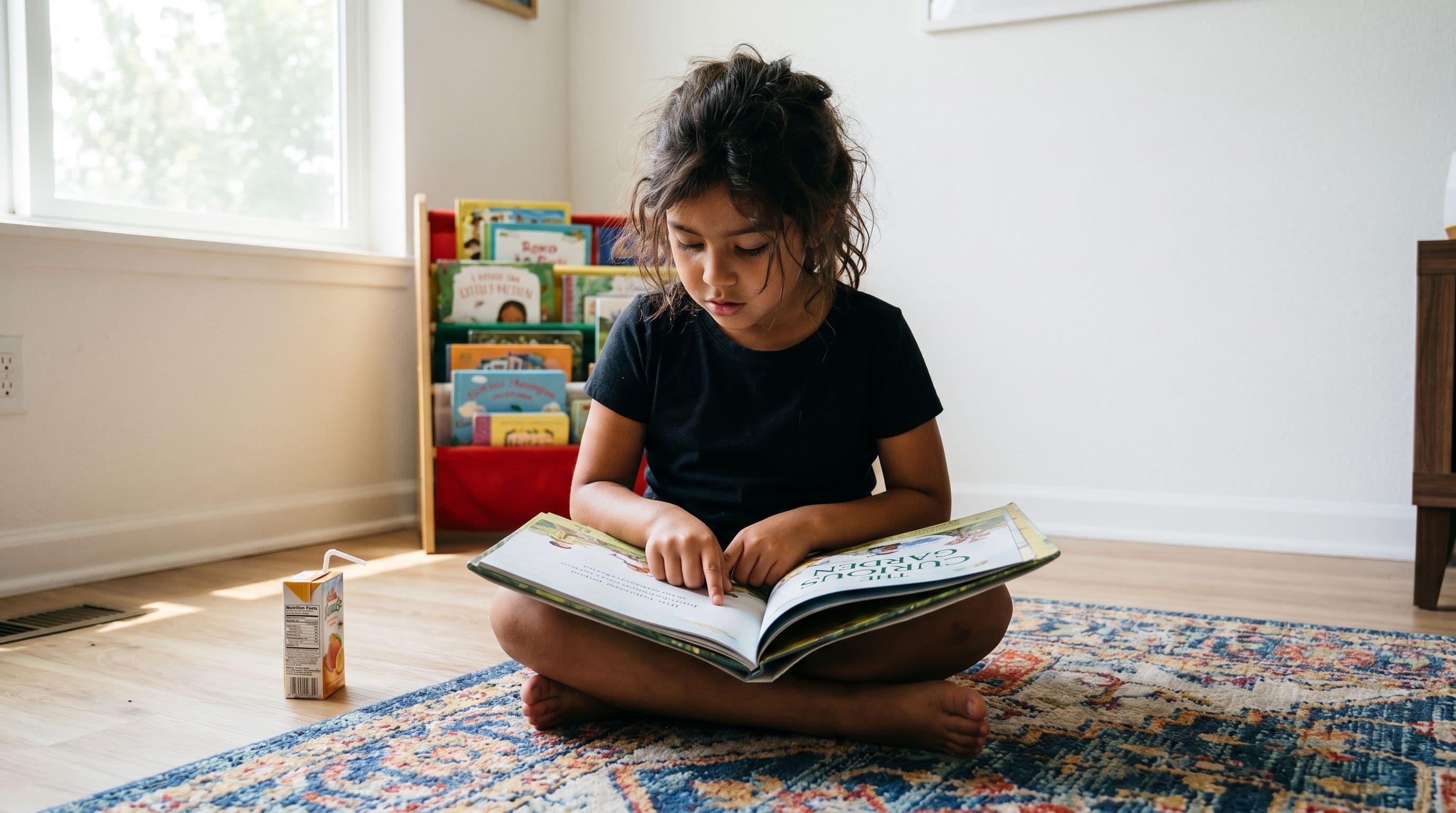
If your kindergartner can't read yet, don't panic — but don't wait either. Here's a specific, research-backed catch-up plan that uses the hidden advantage of starting later, plus the phonics methodology that actually works.
Read More →
Most parents searching for a reading tutor are looking in the wrong place. The best reading tutor for your child is phonics-focused, consistent, patient, and — here's what nobody tells you — might already be sitting at your kitchen table.
Read More →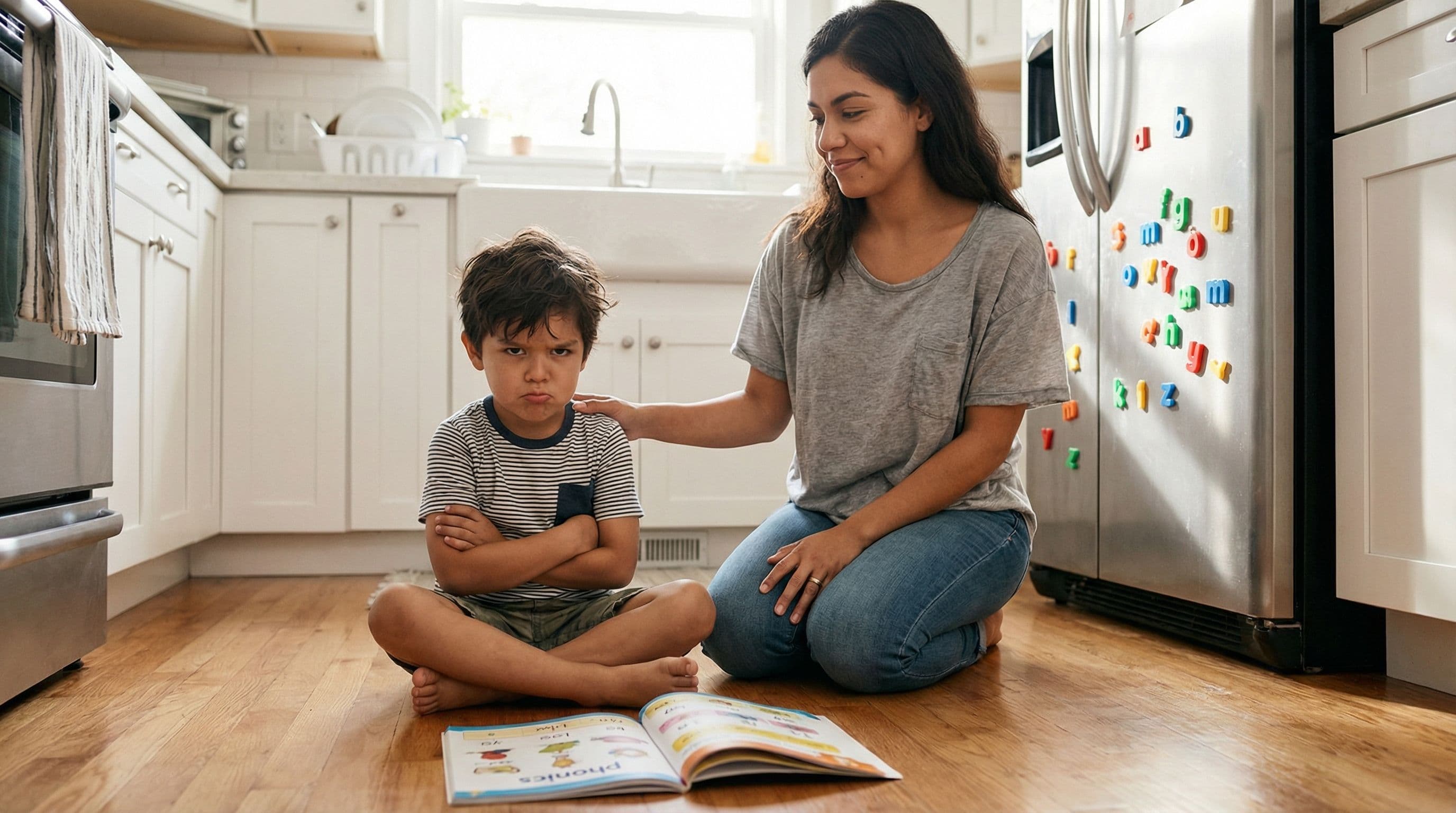
When your kid fights you every time you pull out a book, the problem isn't their attitude — it's almost always that reading feels too hard. Here's how a homeschooling tiger mom handles reading resistance without crushing the relationship or abandoning the mission.
Read More →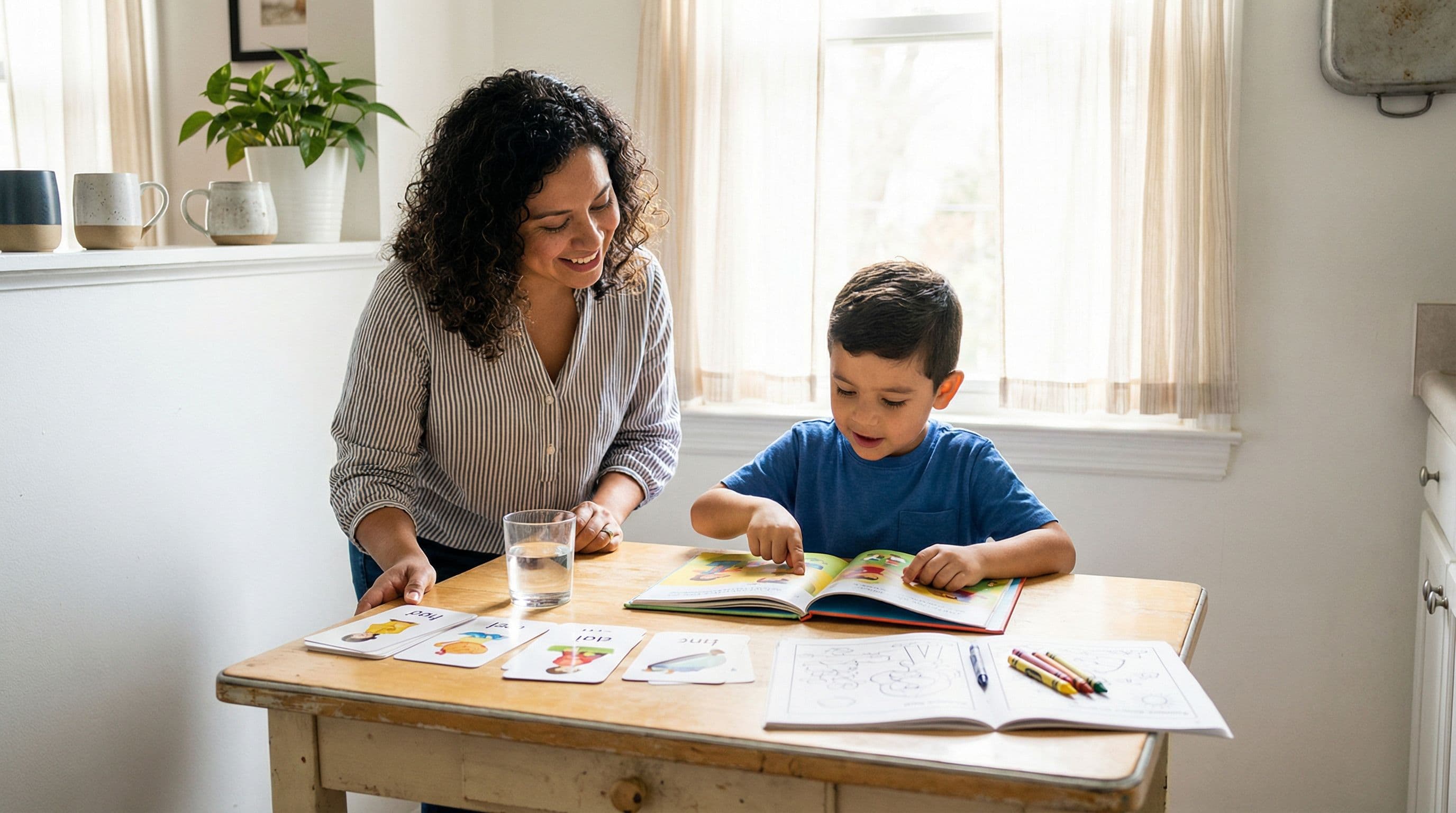
Every parent secretly wonders if their kid is behind in reading. Here's the truth: 'behind' is more subjective than you think for young kids — but there IS a point where you need to act fast. Here's how to tell the difference and what to do about it.
Read More →