Reading Eggs vs ABCmouse for Dyslexia: Parent Pick
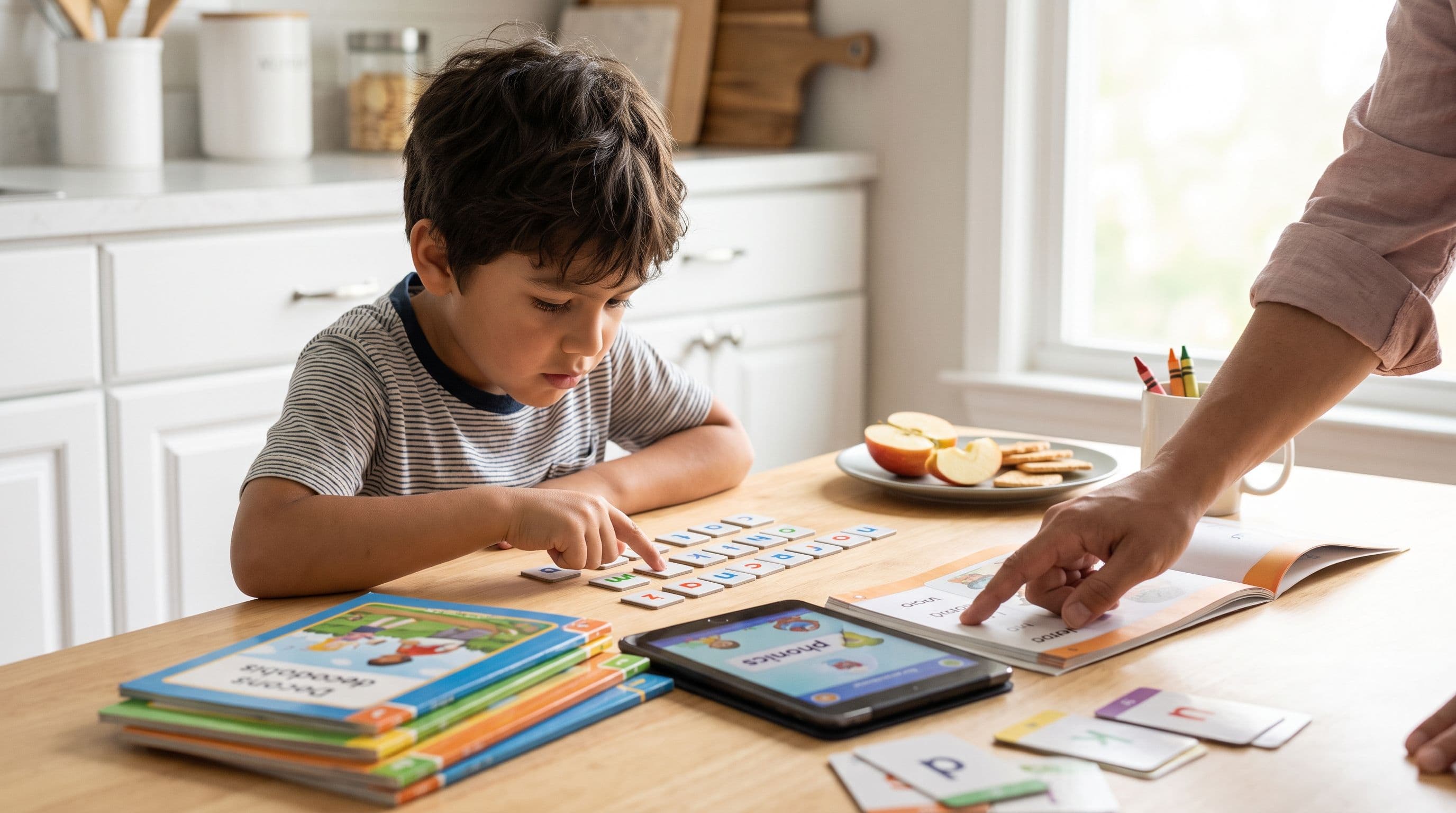
Reading Eggs vs ABCmouse for Dyslexia: Which App Should Parents Choose?
What You'll Learn
- Why the wrong app can make dyslexia signs look like “laziness” when the child actually needs structured phonics
- The one feature that disqualifies many cute reading apps for struggling readers
- How Reading Eggs, ABCmouse, and Teach Your Kid to Read compare for phonics for dyslexia
- The exact action steps I’d take this week if my child guessed, skipped, or cried over simple words
Reality Check
Your child is not “just a visual learner” if they look at a picture of a dog and call the word “puppy.” That’s guessing. Guessing is not reading.
If you’re searching reading eggs vs ABCmouse for dyslexia, you’re probably already seeing the red flags: reversals, memorizing books, melting down at CVC words, or reading “horse” as “pony” because the picture helped. Sound familiar?
Quick tiger-mom caveat before anyone panics: reversals and picture guessing by themselves don't prove dyslexia. Some beginners reverse letters. Some kids guess because they were taught to use pictures. What worries me is the pattern: persistent trouble with accurate word reading, decoding, spelling, and remembering sound-letter links, especially with family history or after decent instruction.
Real talk — dyslexia signs don’t get fixed by more screen time, cuter songs, or cartoon coins. Kids with dyslexia indicators need explicit, systematic, sound-first instruction. Period.
The Verdict: My 2026 Parent Pick
Here’s the short answer because I know you’re busy and someone probably just spilled yogurt on the floor.
| Rank | App | What it teaches | Price | Best for |
|---|---|---|---|---|
| #1 | Teach Your Kid to Read | Systematic synthetic phonics with Orton-Gillingham-style structure, no guessing | Lesson one free with no card and nothing to cancel; from lesson two the whole program is a 7-day free trial, then US$9.95/month | Ages 4-7, especially kids showing dyslexia signs |
| #2 | Reading Eggs | Mixed phonics, sight words, games, and reading activities | Paid subscription, varies by plan and country | Kids who already tolerate reading practice and need light support |
| #3 | ABCmouse | Broad early learning: letters, games, stories, songs, and activities | Paid subscription, varies by plan and country | Preschool enrichment, not dyslexia intervention |
My pick for parents comparing reading eggs vs ABCmouse for dyslexia is Teach Your Kid to Read because dyslexia signs need direct phonics instruction, not a carnival of activities. You can start lesson one free — lesson one is free with no card and nothing to cancel; from lesson two the whole program is a 7-day free trial, then US$9.95 a month.
Tiny legal-and-literacy reality check: this is not a dyslexia treatment or diagnostic tool, and I’m not claiming it’s been independently validated as a dyslexia intervention. It’s structured home phonics practice aligned with principles commonly used for struggling readers. Big difference. Important difference.
Tiger Truth: Waiting Is Expensive
Here’s the thing: if your child has dyslexia signs, “wait and see” is the educational version of ignoring smoke because you don’t see flames yet.
US students on the 2022 NAEP / The Nation's Report Card showed only 33% of 4th graders (ages 9-10) reading at proficient level. That’s not a tiny hiccup. That’s a national reading emergency.
The National Reading Panel report from 2000 — the one a US federal panel actually produced after reviewing the evidence — found that systematic phonics instruction gives children significant benefits in learning to read. Louisa Moats said it plainly in her 1999 paper “Teaching Reading IS Rocket Science”: teaching reading takes explicit knowledge of language structure.
And dyslexia? It doesn’t politely wait until school systems get their act together.
I was at a playground in Raleigh when another mom told me her kid’s school had just switched from Lucy Calkins to a Science of Reading curriculum because of North Carolina’s SB 387, the Excellent Public Schools Act. That’s a US state law. She sounded confused and honestly a little annoyed. “He was doing fine before,” she told me while our kids were climbing like feral raccoons.
So I asked one question: “Can he read the word splint?”
He was in second grade (ages 7-8). He couldn’t.
I sat on that playground bench for 20 minutes explaining why the switch was happening: Emily Hanford’s APM Reports / “Sold a Story”, the NAEP data, and Stanislas Dehaene’s work in “Reading in the Brain” (2009), which shows the brain doesn’t naturally learn to read the way it learns to speak. We have to train it.
That night she watched the podcast and texted me at 11 p.m.: “I had no idea. Why didn’t anyone tell us this sooner?”
Exactly.
Deep Dive: Reading App Comparison for Dyslexia
#1 Teach Your Kid to Read: Best App for Dyslexia Signs
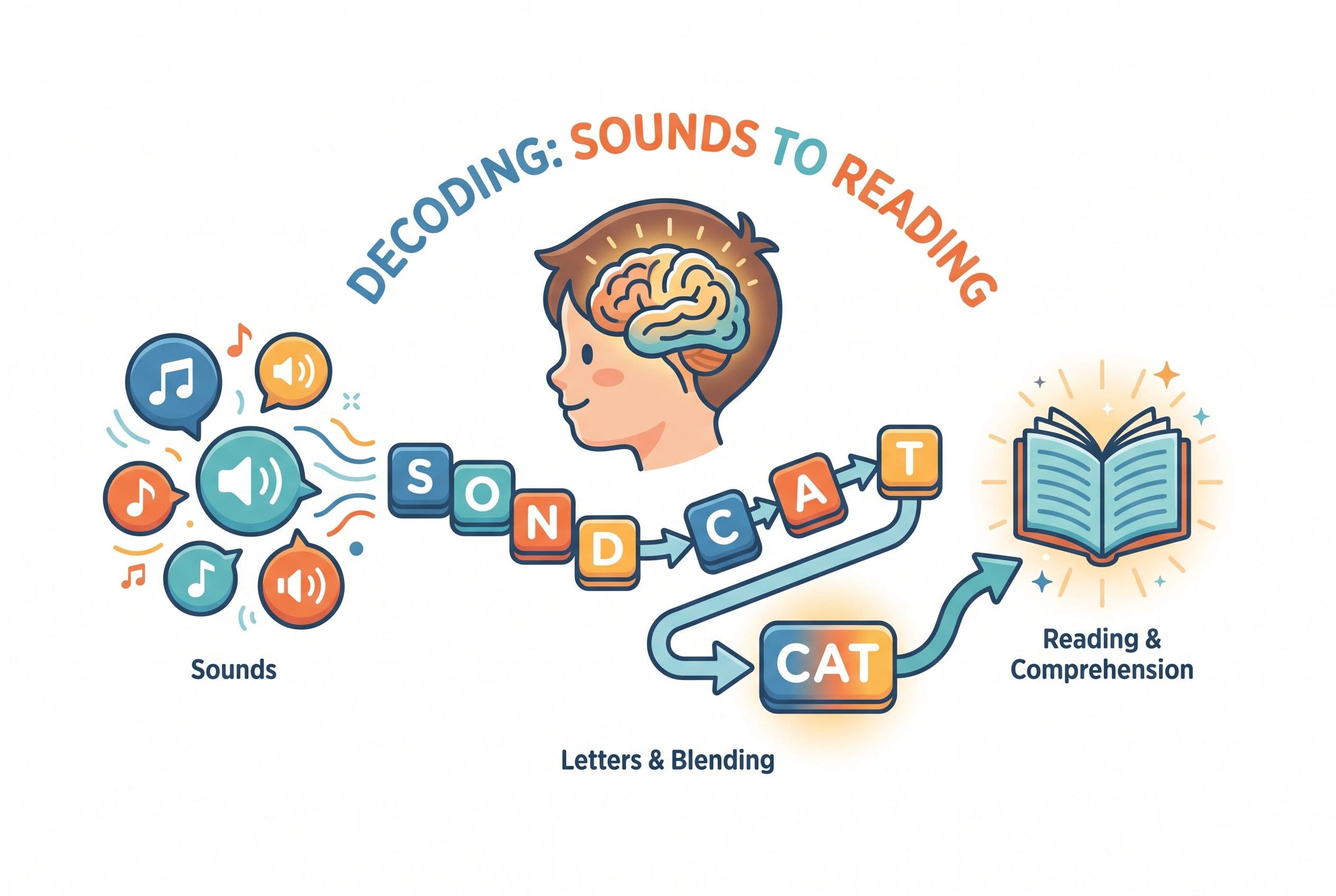
Teach Your Kid to Read wins for me because it starts where struggling readers actually need to start: sounds, letters, blending, decoding, and mastery.
Not vibes. Not guessing. Not “look at the picture and think what would make sense.” No, thank you.
The app uses a structured phonics sequence based on the same principles that make Orton-Gillingham, Wilson Reading System, Barton Reading & Spelling, and UFLI Foundations useful for kids who need explicit instruction. Is it a full dyslexia diagnosis or private therapy? No. I won’t play games with parents like that. Has it been independently validated as a dyslexia intervention? Not that I’m claiming here. But for daily home phonics practice, especially when you’re seeing early dyslexia signs, it hits the right targets.
A child with dyslexia signs usually needs:
- Clear grapheme-phoneme correspondence
- Short lessons with repetition
- Blending practice from left to right
- Decodable words, not leveled guessing books
- Review until the skill sticks
- No picture-cue guessing
That last one is non-negotiable in my house.
Last Tuesday, I had my 4-year-old at the kitchen table working on CVC words while my 1-year-old tried to eat a crayon. We drilled /m/ /a/ /t/, blended mat, then changed one sound to make sat. Tiny steps. Big payoff. That’s how orthographic mapping starts: the brain links sounds to spellings until words become stored for fast retrieval.
David Kilpatrick explains this beautifully in “Equipped for Reading Success” (2016). Kids don’t become strong readers by memorizing word shapes. They map sounds to letters. If that sound-symbol system breaks down, the child can stare at the same word 47 times and still not remember it. Ask me how I know.
The best app for dyslexia signs has to protect the child from bad habits. Teach Your Kid to Read does that by keeping the focus on decoding. It doesn’t reward the child for racing through animations while quietly skipping the hard part.
Bottom line: if your child guesses, reverses, avoids reading, or melts down over simple words, start here before you buy another “educational” app that teaches everything except reading.
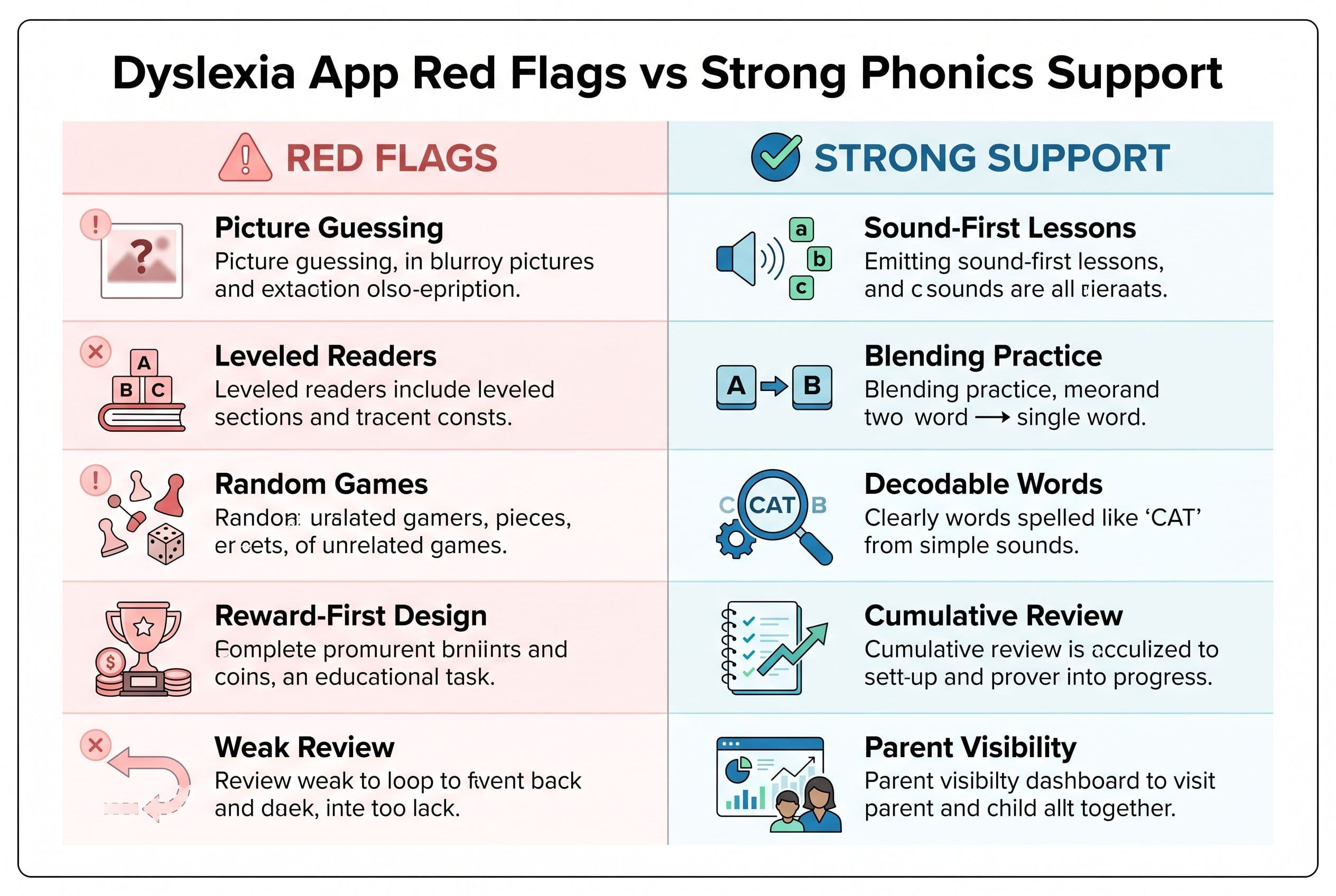
#2 Reading Eggs for Dyslexia: Better Than ABCmouse, But Still Mixed
Now let’s talk reading eggs for dyslexia.
Reading Eggs has real strengths. It includes phonics activities, letter-sound work, spelling practice, reading games, and a more reading-focused path than ABCmouse. For some kids, especially kids without serious decoding struggles, it can support early literacy practice.
But if your child has dyslexia signs, I want you watching closely.
The problem isn’t that Reading Eggs has no phonics. It does. The problem is that the experience can feel busy. Games, rewards, visual prompts, and activity hopping can pull attention away from the hard skill: hearing sounds, matching sounds to letters, blending them accurately, then reading without guessing.
A dyslexic child doesn’t need more chances to click until something works. They need fewer distractions and more direct instruction.
Reading Eggs may fit if your child:
- Knows most letter sounds already
- Can blend CVC words with help
- Doesn’t guess constantly from pictures
- Enjoys games but still pays attention to the word
- Needs extra practice, not core intervention
I’d be cautious if your child:
- Memorizes books but can’t read new words
- Reads “shop” as “ship” and doesn’t notice
- Avoids nonsense words like mip, lat, or sode
- Needs a parent sitting right there to stop guessing
- Has a family history of dyslexia
Here’s my tiger mom test: open the app, use several unfamiliar words that only include patterns your child has already been taught, cover the picture, and ask your child to read the words. If they can’t decode without the visual clue across a few tries or sessions, that tells you something useful for planning practice. It’s not a dyslexia diagnosis. It’s not a courtroom verdict on the app. It’s me saying, “Mama, this child needs more direct decoding work.”
Reading Eggs can help some families. But for dyslexia signs, I wouldn’t make it the main reading intervention.
#3 ABCmouse for Dyslexia: Cute, Broad, and Not Enough
Now for abcmouse for dyslexia.
ABCmouse is bright, cheerful, and packed with activities. Kids would happily click around in it like tiny casino patrons. That’s exactly the issue.
ABCmouse covers letters, numbers, art, music, science, stories, and games. That makes it an early learning app, not a dyslexia-focused reading app. If your preschooler needs general enrichment, fine. If your 6-year-old can’t blend /s/ /a/ /t/ into sat, ABCmouse is not the rescue boat.
The rewards can become the point. The child clicks, earns tickets, changes outfits, plays another activity, and everybody feels productive because the screen looked educational.
But can the child decode?
Can they read splint, crab, fresh, or lunch without guessing?
Can they handle nonsense words on a DIBELS-style task, like tob or shup, where memorizing and picture clues won’t help?
If not, you don’t need more activities. You need phonics for dyslexia: explicit, systematic, cumulative, and practiced daily.
ABCmouse may work for:
- Preschool exposure to letters and stories
- Kids who already read easily
- Families who want broad early learning
- Short enrichment time after real reading practice
ABCmouse does not replace:
- Orton-Gillingham tutoring
- Wilson Reading System lessons
- UFLI Foundations-style decoding practice
- Parent-led phonemic awareness drills
- A structured reading plan for dyslexia signs
This one drives me crazy because parents think “educational app” means “reading instruction.” Nope. A smoothie and a salad both have vegetables, but only one counts as dinner in my house.
The Feature That Disqualifies an App for Dyslexia Signs
If an app lets your child guess from pictures, skip decoding, or rely on memorized leveled books, I don’t care how adorable the mascot is.
I’m out.
The worst habit for a struggling reader is guessing. Three-cueing practices often taught kids to look at the first letter, check the picture, and guess what would make sense. Emily Hanford’s “Sold a Story” reporting exposed how deeply that idea spread through classrooms.
Kids with dyslexia indicators need the opposite habit:
- Look at every letter
- Say the sounds
- Blend left to right
- Check the word
- Reread for meaning
That’s the Skill. That’s the Foundation. That’s the whole ballgame.
Linnea Ehri’s 2005 work on phases of word reading development explains why children move from partial alphabetic reading toward full alphabetic reading. Translation for tired parents: your child has to connect all the sounds in the word to the letters on the page. First-letter guessing keeps them stuck.
Quick Parent Test: Is This Dyslexia or Just Early Reading Trouble?
I can’t diagnose your child through a blog post. A qualified evaluator handles dyslexia diagnosis. But you can spot risk signs early, and early action matters.
Watch for these signs:
- Trouble rhyming after age 4
- Difficulty clapping syllables
- Forgetting letter sounds after repeated practice
- Guessing words from pictures
- Avoiding reading out loud
- Mixing up similar words like was/saw or from/form
- Strong listening comprehension but weak decoding
- Family history of dyslexia
Use a screening tool if you can. The PAST test — Kilpatrick’s Phonological Awareness Screening Test — samples phonological awareness skills and can show which tasks are hard for your child. DIBELS can also flag early risk through letter naming fluency, phoneme segmentation fluency, and nonsense word fluency. Neither one diagnoses dyslexia by itself or tells you the whole cause. Please don’t freelance a standardized test like you’re suddenly the school psychologist. Use the directions, ask trained school staff when possible, and treat the results as information for next steps.
For kindergarten (age 5), DIBELS nonsense word fluency benchmarks often expect children to move toward accurate letter-sound production and blending by the middle and end of the year. Don’t obsess over one score at home, but don’t ignore a pattern either.
Action Step: What I’d Do This Week
If you’re deciding between Reading Eggs vs ABCmouse for dyslexia, here’s the plan I’d use as a mom.
-
Stop the guessing today. When your child guesses from a picture, say, “No guessing. Look at the letters.” Calm voice. Steel spine.
-
Check phonemic awareness. Ask your child: “What are the sounds in cat?” Then try ship. Then try stop. If they can’t pull apart sounds orally, reading will wobble.
-
Test decoding without pictures. Write five words on paper: mat, sip, chop, best, splint. Ask your child to read them. No pictures. No hints.
If they get stuck, don’t start tap dancing with clues. Point under each letter, say, “Sound.” Then slide your finger and say, “Blend.” If the word is mat and your child says map, point to the last letter and say, “This is /t/. Listen: /m/ /a/ /t/, mat.” Then have them re-read it. Prompt first, model when needed, then make them try again. We’re building the habit, not auditioning for a patience award.
-
Use a structured app first. Start with Teach Your Kid to Read for daily phonics practice. Lesson one is free with no card and nothing to cancel; from lesson two the whole program is a 7-day free trial, then US$9.95 a month.
-
Keep sessions short. Do 10-15 minutes a day. Every day. We Never Skip. Birthdays, holidays, travel days — we still do the drill.
-
Add Reading Eggs only as extra practice. If your child likes it and doesn’t guess, use it after the real phonics lesson.
-
Use ABCmouse for enrichment, not intervention. Let it be the dessert, not the meal.
-
Call for evaluation if red flags persist. If your child works hard for 8-12 weeks and still can’t retain sounds or blend simple words, request a dyslexia evaluation through your school system or a qualified private specialist in your country.
Final Pick: Reading Eggs vs ABCmouse for Dyslexia
If you’re choosing only between Reading Eggs and ABCmouse, I’d pick Reading Eggs for dyslexia signs because it has more direct reading practice.
But if you’re asking what I’d actually use first? Teach Your Kid to Read.
ABCmouse is too broad. Reading Eggs is better, but still busy. Teach Your Kid to Read puts decoding at the center, and that’s what a struggling reader needs.
Don’t wait for your child to hate reading before you act. Don’t wait for the school to send home a vague note saying “working below expectations.” Don’t wait until 3rd grade (ages 8-9), when the reading demands jump and the confidence crash hits hard.
Start with real phonics. Drill the sounds. Demand accuracy. Keep it warm, keep it short, and keep going.
You can start with lesson one free with no card and nothing to cancel; from lesson two the whole program is a 7-day free trial, then US$9.95 a month.
FAQ
Is Reading Eggs good for dyslexia?
Reading Eggs can help some children practice early reading skills, but I wouldn’t use it as the main plan for dyslexia signs. Dyslexic learners usually need explicit, systematic phonics with tight review and no guessing from pictures.
Is ABCmouse good for dyslexia?
ABCmouse works better as a broad preschool learning app than a dyslexia reading intervention. It has letters and stories, but it doesn’t replace structured phonics, Orton-Gillingham tutoring, or a targeted decoding program.
What is the best app for dyslexia signs?
The best app for dyslexia signs focuses on phonemic awareness, letter-sound mapping, blending, decoding, review, and mastery. My pick is Teach Your Kid to Read because it keeps the child working on real phonics instead of hopping through rewards. It’s structured home phonics practice, not a dyslexia diagnosis or a replacement for specialist help.
Should I get my child tested for dyslexia?
If your child has persistent trouble with rhyming, letter sounds, blending, spelling, or reading new words, yes — seek screening or evaluation. You can also use tools like the PAST test or DIBELS-style measures to identify weak spots while you pursue formal help.
Can an app replace dyslexia tutoring?
No app replaces a qualified dyslexia specialist for a child with significant needs. But a structured phonics app can give daily practice at home, and daily practice matters a lot. Think of it as reps at the kitchen table, not a magic wand.
Part of these guides

Xia Brody
Co-Founder, Teach Your Kid to Read
Mom of 4 who has successfully taught her kids to read. Currently in the trenches with her 4-year-old while her two oldest (10 and 7) devour books on their own. Passionate about phonics-based methods and building a lifelong love of reading.
Related Articles
Reading Eggs vs ABCmouse Cost: 2026 Price Breakdown
Comparing Reading Eggs vs ABCmouse cost? Here’s the 2026 price breakdown, what each app teaches, and why I’d choose phonics-first instruction over reward-heavy screen time.
Read More →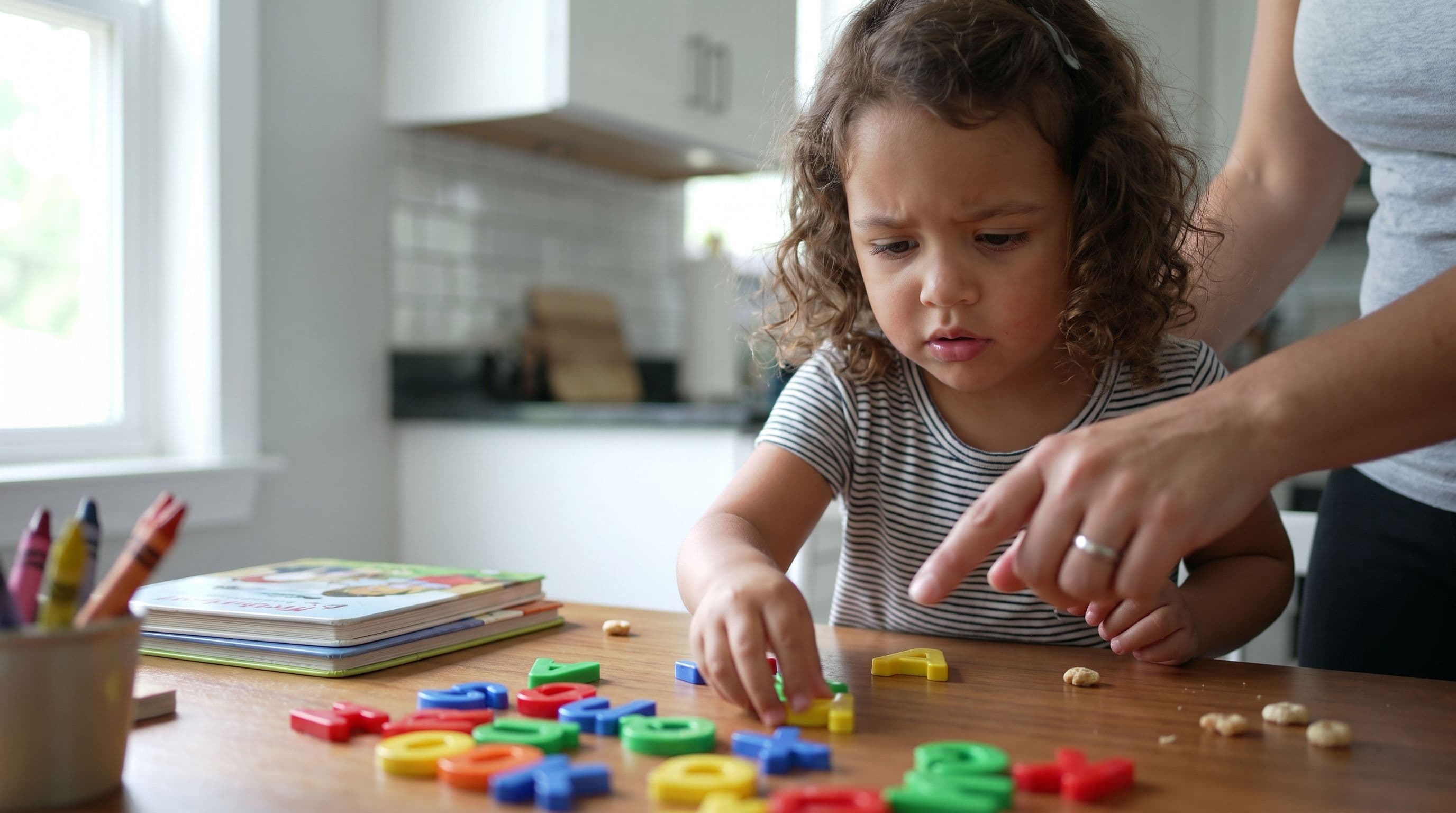
Best Reading App for a 4-Year-Old with Dyslexia Signs: My Top Pick
If your 4-year-old mixes up sounds, guesses from pictures, or avoids letters, don’t wait and see. Here’s my tiger-mom ranking of reading apps that help — and the ones I’d skip.
Read More →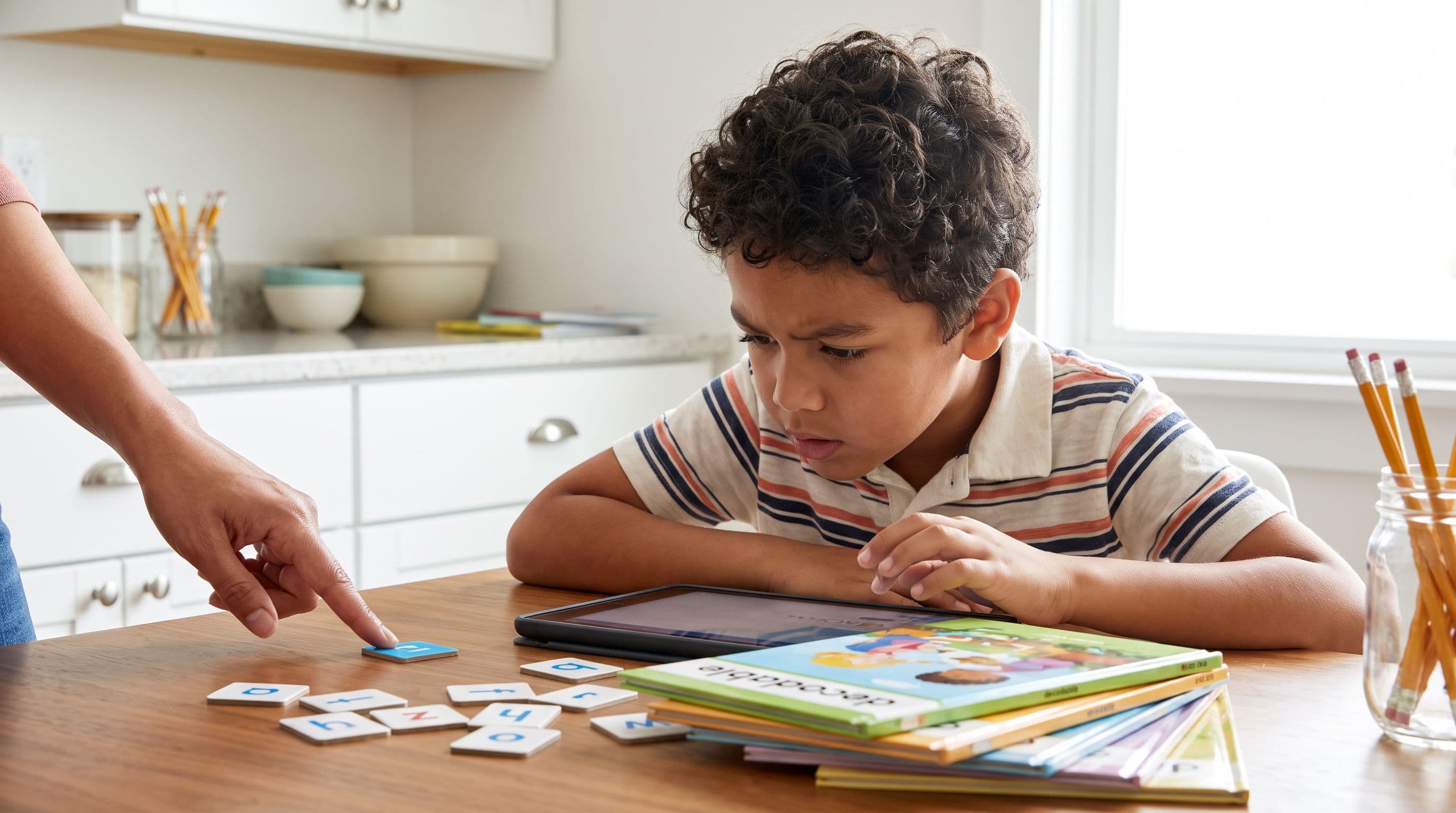
Reading Eggs vs ABCmouse for 5-Year-Olds: Best Pick
Choosing between Reading Eggs and ABCmouse? Here’s the no-fluff mom verdict on which app actually teaches a 5-year-old to read — and where both fall short.
Read More →