Reading Eggs vs Hooked on Phonics vs HOMER: 2026 Ranked
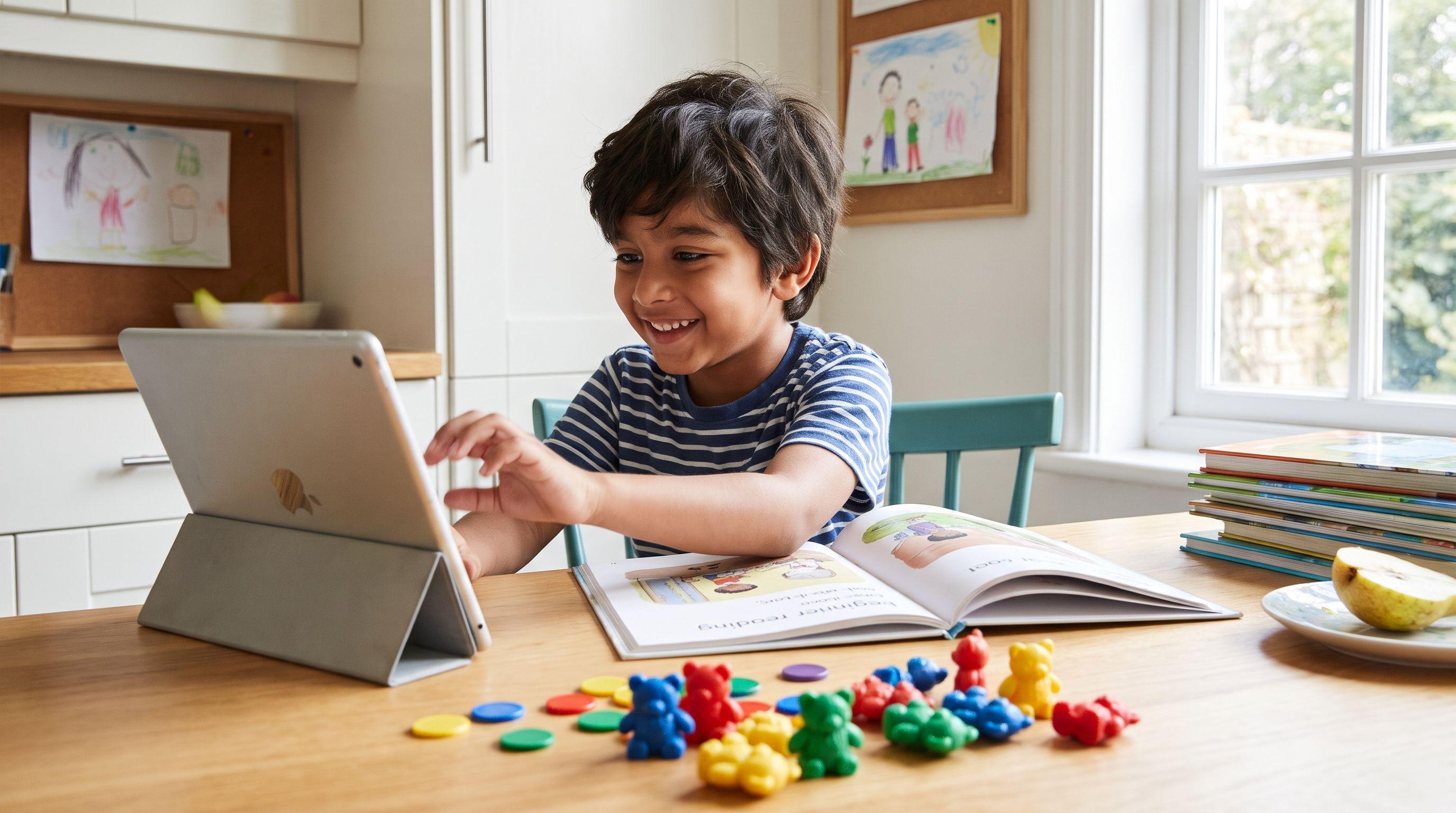
Reading Eggs vs Hooked on Phonics vs HOMER: My Reading App Comparison
Your child can collect digital eggs, finish a song and still stare helplessly at cat on a cereal-box scrap. That's the problem with choosing a reading app by how happily your child taps. My reading app comparison starts with what happens when the tapping stops.
I'm Xia Brody, a Chinese-American homeschooling mom of four, ages 10, 7, 4 and 1. I've taught my two oldest to read, and I'm currently teaching my 4-year-old. My bottom line? Show me the reading away from the screen.
What You'll Learn in This Reading App Comparison
- Which of these four options I'd put first—and where my ranking needs a big pinch of salt.
- The subscription details to check before a cheerful trial becomes another household bill.
- The tiny paper-and-pencil check that separates lesson completion from genuine Skill.
- Why one playground conversation changed another mom's understanding of reading instruction.
Reality Check: Engagement Isn't Mastery
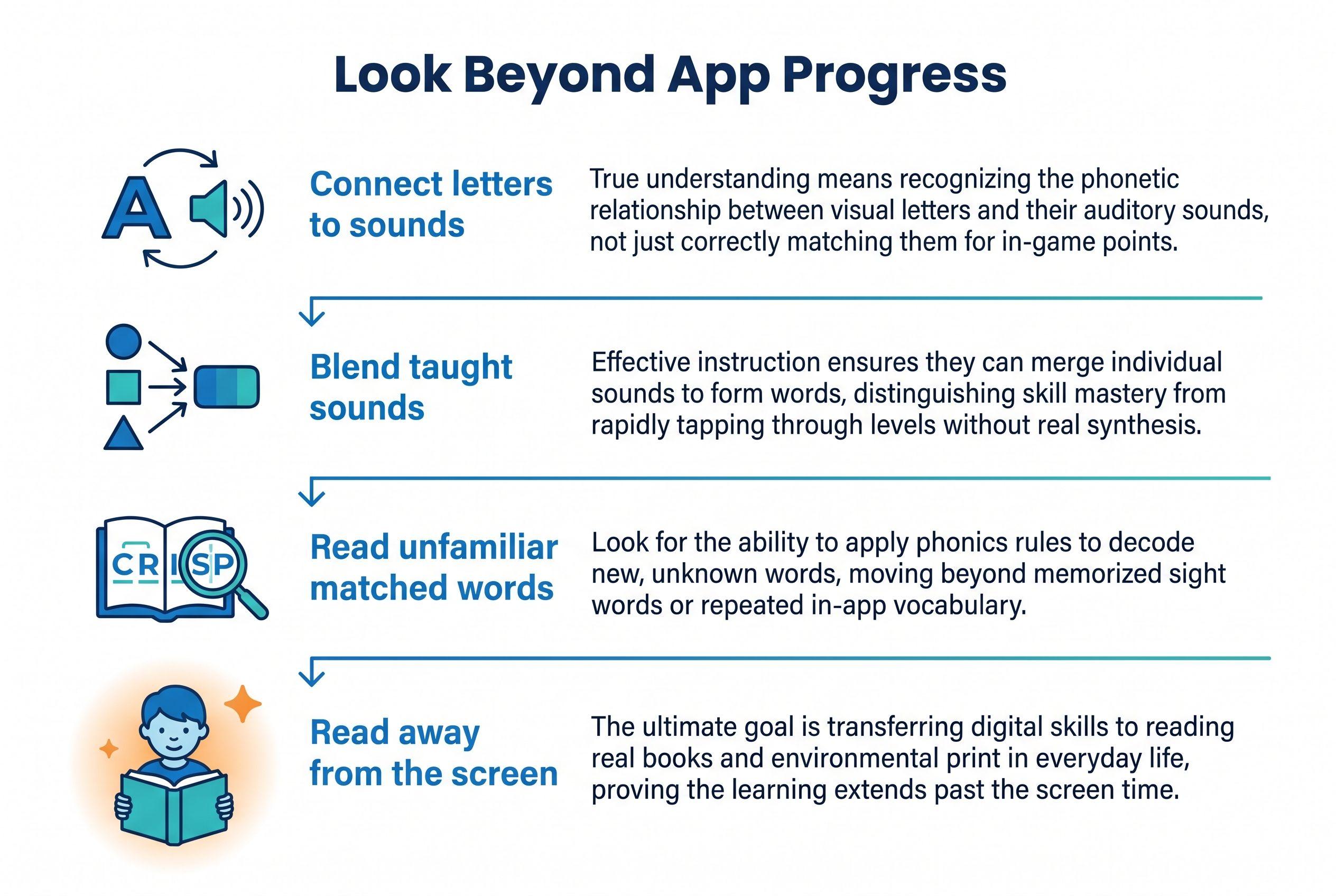
Here's the thing: Reading Eggs vs Hooked on Phonics vs HOMER isn't a contest to find the cutest animation. It's a decision about instruction. Does your child connect letters with sounds, blend those sounds and read unfamiliar printed words?
Imagine a child sees ship, glances at a picture and says “boat.” The answer makes sense, but it isn't reading that word. No Guessing means we return to the letters—not scold the child. Fun belongs in learning; it just doesn't get to replace it.
The Verdict
I rank these options for beginning readers by explicit phonics, opportunities for adult-guided practice and transfer to print. This is an editorial shortlist based on publicly described approaches, not hands-on competitor testing or a head-to-head effectiveness study. My #1 placement reflects my own recommendation, not evidence that it outperforms the other three.
| Rank and app | Instructional approach | Price or payment model | Age fit |
|---|---|---|---|
| 1. Teach Your Kid to Read | Phonics-focused option; pair lessons with adult-guided blending and print practice | Lesson one is free with no card and nothing to cancel; from lesson two the whole program is a 7-day free trial, then US$9.95 a month | My suggested fit: beginning readers around 4–7, depending on skills |
| 2. Hooked on Phonics | Publicly describes phonics lessons and reading practice—not a picture-guessing method | Subscription; check current price and terms | Stated ages 3–8 |
| 3. Reading Eggs | Broad reading activities; its separate Fast Phonics strand explicitly targets systematic synthetic phonics | Subscription; check current price and included strands | Reading Eggs: 3–7; Fast Phonics: 5–10 |
| 4. HOMER | Broader personalised early-learning approach that includes phonics | Subscription; check current price and terms | Listings say 2–8; Begin's product page says 2–6 |
Full disclosure: I co-founded Teach Your Kid to Read, so weigh my #1 pick accordingly; the rest of the ranking is based on the criteria above.
I recommend Teach Your Kid to Read as a phonics-focused option to explore together: start lesson one free; lesson one is free with no card and nothing to cancel, and from lesson two the whole program is a 7-day free trial, then US$9.95 a month.
Don't read fourth place as “doesn't teach reading.” All three competitors describe phonics content. The real deal is whether the specific pathway you choose gives your child enough explicit instruction and practice.
Tiger Truth: Don't Confuse Familiarity With Reading
At a playground in Raleigh, a mom told me her child's school had switched from Lucy Calkins to a Science of Reading curriculum because of North Carolina's SB 387, the Excellent Public Schools Act of 2021—a US state law. She sounded confused and annoyed. “He was doing fine before,” she said.
I asked whether her son, in US second grade (ages 7–8), could read splint. He couldn't. One word doesn't diagnose a reading difficulty, especially without knowing what someone has taught him. But it raised a better question than his app score: could he blend an unfamiliar word without a picture?
We spent 20 minutes on that bench talking about Emily Hanford's reporting, national reading results and Stanislas Dehaene's Reading in the Brain (2009). Dehaene explains how learning to read reshapes existing brain systems; print doesn't simply become readable through exposure. That evening, she listened to Hanford's Sold a Story, which launched in 2022. At 11pm she texted: “I had no idea. Why didn't anyone tell us this sooner?”
Here's the kicker: on the 2024 US NAEP reading assessment, 40% of fourth-grade students (ages 9–10) scored below Basic. That's a national warning, not a diagnosis of your child, and NAEP performance levels aren't interchangeable with school grade-level expectations.
Waiting can mean more missed instruction and growing frustration as schoolwork demands more independent reading. But struggling readers aren't doomed. Act early, get specific help and keep expectations hopeful. An app subscription alone isn't an intervention plan.
Ranked: Four Reading Apps for Beginning Readers
1. Teach Your Kid to Read: My First Pick for a Focused Routine
I put our option first because my priority is direct phonics practice with an involved adult—not a digital babysitter. Lesson one is free with no card and nothing to cancel; from lesson two the whole program is a 7-day free trial, then US$9.95 a month. That's the offer, without subscription hide-and-seek.
The instructional standard matters more than the sales pitch. The 2000 report from the US National Reading Panel found that systematic phonics instruction benefits beginning readers. It didn't evaluate these apps, and it doesn't certify ours. Research supporting a method isn't proof that every product mentioning it works equally well.
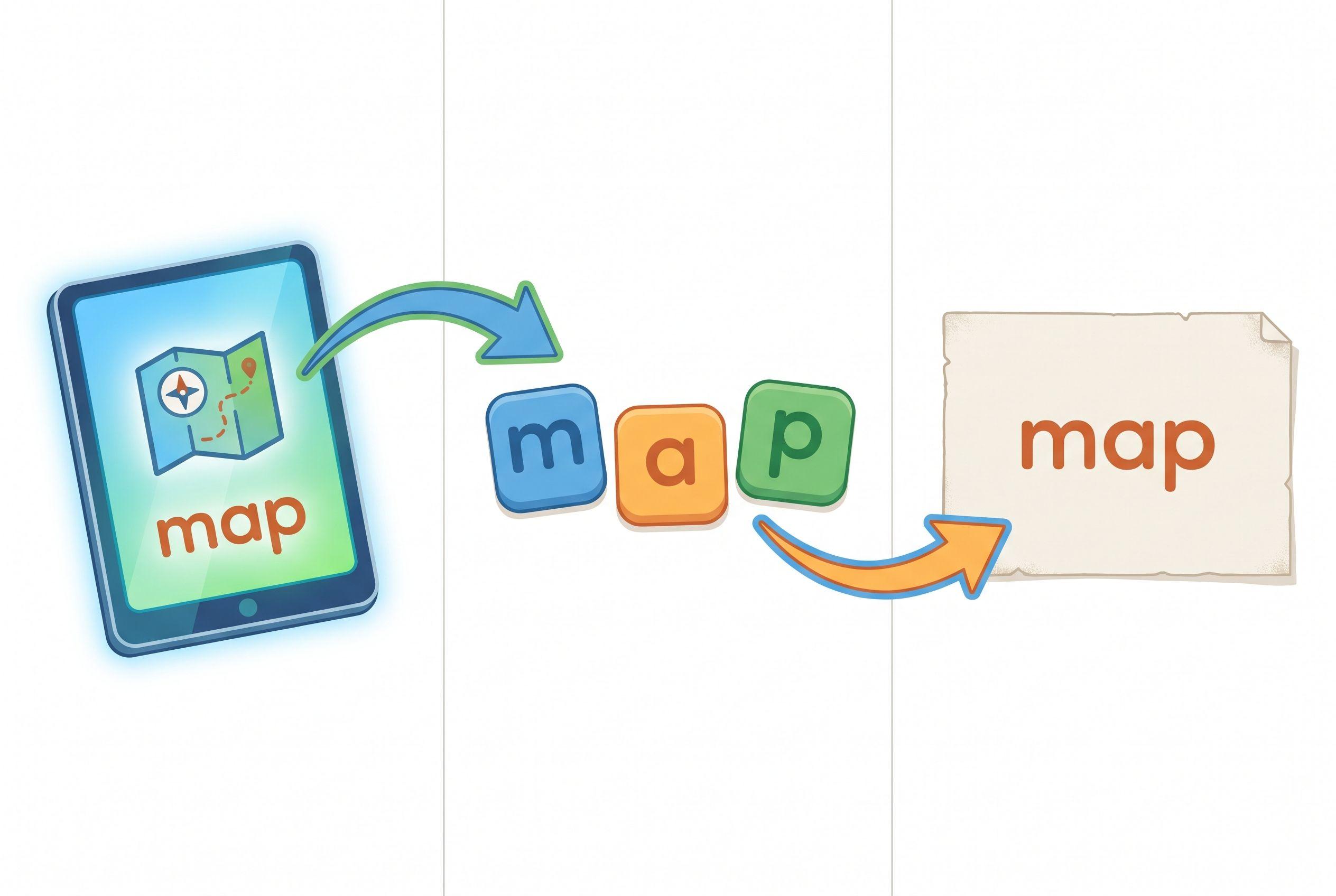
Systematic synthetic phonics teaches a planned sequence of letter–sound relationships and shows children how to blend sounds into words. For map, connect m, a and p to their sounds, then blend. Don't add a big “uh” after consonants: “muh-a-puh” makes the task harder.
My kitchen-table rule is simple: finish the digital practice, then try a few words on paper. If a child reads mat only beside a familiar illustration, I haven't seen independent decoding yet. No big deal—we teach again. Mastery takes practice.
Use the first lesson to judge the fit, rather than assuming a paid subscription will solve everything. Can you follow the instruction? Can your child attempt the target skill without random tapping? Does the work feel appropriately challenging rather than bewildering?
Deal-breaker for any app, including ours: progress that exists only inside its own activities. A phonics Foundation must travel into books. For persistent difficulties, bring in a qualified teacher or reading specialist instead of adding more screen minutes.
2. Hooked on Phonics: A Strong Competitor for a Phonics-First Shortlist
Hooked on Phonics publicly centres its approach on phonics lessons and reading practice. Its stated app age range is 3–8. That makes it a sensible contender if you're asking “reading eggs or hooked on phonics?” and want an immediately recognisable phonics focus.
My second-place ranking isn't a claim that its sequence beats Reading Eggs in a trial. It's an editorial preference for keeping the buying decision close to explicit decoding instruction. Check what the subscription includes, especially whether the package you're considering contains additional physical materials.
The fact sheet lists a 7-day free trial in the app; check the current price and renewal terms for your country and signup route. Bottom line: compare the actual package, not just two promotional headlines.
My deal-breaker: watching a lesson without applying it. After instruction, ask your child to read a fresh word using the same taught patterns. If that falls apart, replaying songs isn't the whole answer—adult modelling and guided practice matter.
3. Reading Eggs: Look Closely at the Strand You Need
Reading Eggs covers more than one learning stage. The main Reading Eggs programme lists ages 3–7; Fast Phonics lists ages 5–10 and describes a systematic synthetic phonics approach. Don't treat those strands as interchangeable.
This is where the Reading Eggs vs Hooked on Phonics vs HOMER decision gets more useful. If phonics is your priority, inspect Fast Phonics specifically instead of assuming every activity across the wider subscription has the same purpose. The broader range may suit a family with children at different stages, but breadth isn't automatically a benefit for a child who needs a very focused next step.
The fact sheet lists a subscription with a 30-day free trial. Check today's price, regional terms and access to the strand you actually want. No-brainer? Maybe—but only after that check.
My deal-breaker: using completed activities or rewards as your only evidence. I haven't established that Reading Eggs encourages guessing, so I won't pretend otherwise. I would still ask any child to read a few unfamiliar, appropriately matched words away from its pictures and prompts.
4. HOMER: Consider It for Broader Early Learning
HOMER describes a personalised early-learning experience that includes reading and phonics. Its app listings state ages 2–8, while Begin's product page says 2–6. That's a broad audience; a two-year-old exploring sounds and a seven-year-old struggling to blend need different instruction.
I'd consider HOMER when a family wants broader early learning rather than choosing solely for a narrow decoding problem. For a child who already knows several letter sounds but can't blend them, I'd first inspect how directly the reading pathway addresses that specific gap.
The fact sheet lists a subscription with a 30-day free trial. Check the current price and renewal details. Honestly, a long trial matters less than a clear answer to “What will my child practise?”
My deal-breaker: letting appealing non-reading activities crowd out the reading practice you bought it for. That's a selection risk, not a claim that HOMER substitutes rewards for teaching. Fourth place here reflects my narrow phonics-first criteria, not a verdict on every family's needs.
Action Step: Choose by Skill, Then Check Transfer
So, which reading app is best for kids? The one that teaches the next needed skill clearly—and helps the child use it outside the app. Here's my practical Drill before you commit.
- Find a starting point. Write six lowercase letters your child has encountered. Ask for their sounds, not just their names. Note specific errors without turning the kitchen into an examination hall.
- Check oral blending. Say /m/ /a/ /p/ and ask what word those sounds make. Phonemic awareness concerns individual speech sounds; phonological awareness also includes larger units such as syllables. If this feels difficult, model it and practise together.
- Try print that matches instruction. If your child knows the relevant sounds, offer map, sit and sat without illustrations. Don't introduce an untaught spelling pattern and call the result failure.
- Match the programme to the gap. Look for explicit blending if sounds remain disconnected. For comparison, UFLI Foundations provides a useful curriculum example of a planned phonics sequence with connected practice; it isn't another app in this ranking.
- Set a short routine. Try 5–10 focused minutes, adjusting to your child's attention and needs. Add a couple of minutes reading on paper. My “We Never Skip” rule means protect the habit—even a tiny holiday review—not force lessons through illness or distress.
- Record transfer, not points. Once a week, note a few new words your child reads using taught patterns. These home checks aren't standardised benchmarks. If progress stalls or concerns persist, ask the school or a qualified specialist for assessment and targeted instruction.
Keep reading aloud together, too. Phonics supports word recognition; conversation and rich books develop vocabulary and understanding. Neither side gets to sit this one out.
Before You Subscribe: Make the Decision Smaller
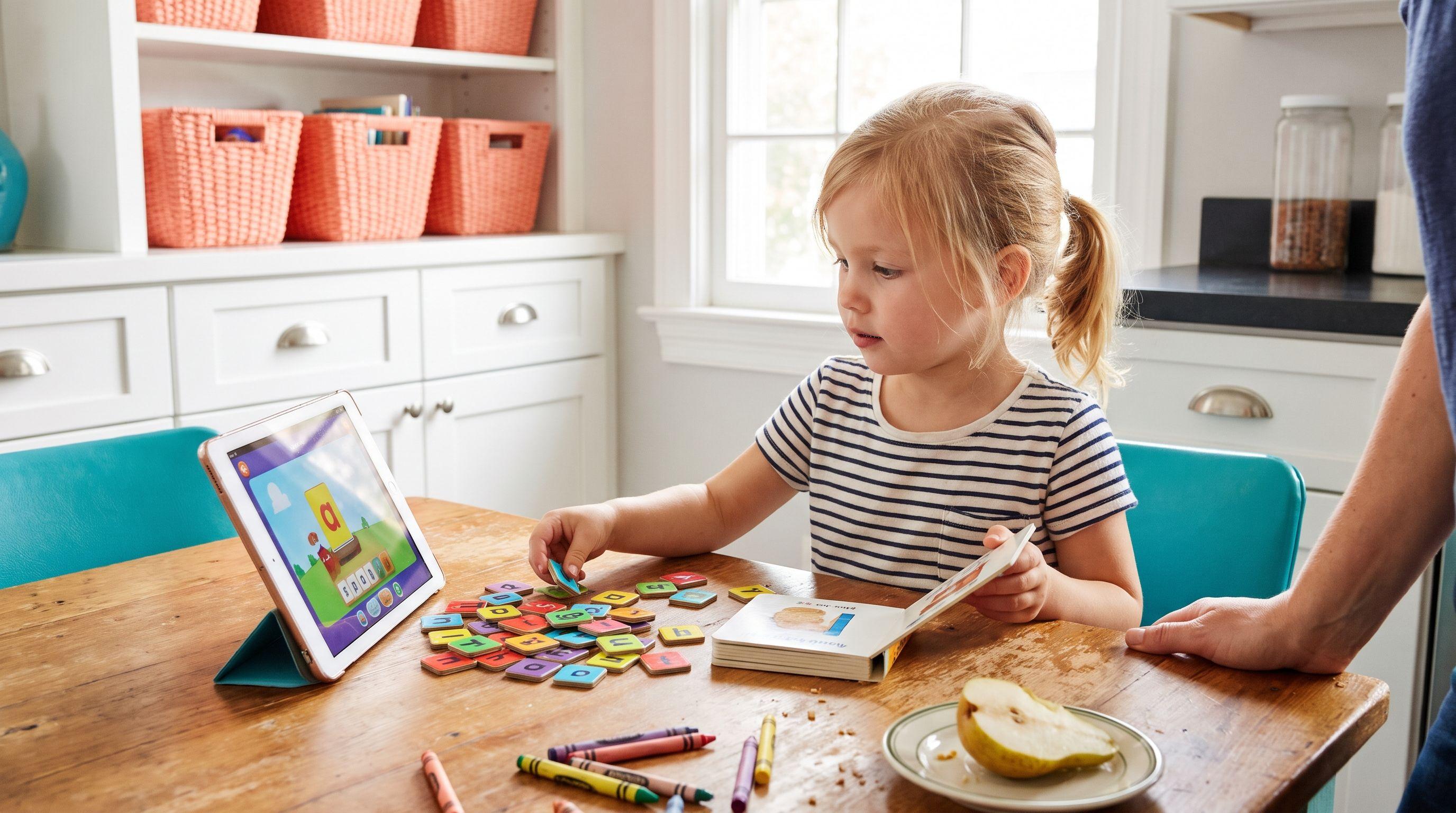
If you're searching for the best phonics app for 5 year old readers, age filters only get you so far. A child who needs letter sounds and a child ready for consonant blends can share a birthday without sharing a lesson.
For a quick starting conversation, take the 2-minute reading check. Treat that check as guidance, not a diagnosis. If you need professional help, don't let a reassuring quiz result overrule persistent concerns.
My bottom line: choose a pathway, practise together and check for Independence in print—not just another completed lesson on a screen.
If you want to explore my first pick, lesson one of Teach Your Kid to Read is free with no card and nothing to cancel; from lesson two the whole program is a 7-day free trial, then US$9.95 a month.
FAQ
Is Reading Eggs or Hooked on Phonics better for beginners?
I'd shortlist Hooked on Phonics for its explicit phonics positioning, then compare it with the specific Reading Eggs strand you need. Fast Phonics explicitly targets systematic synthetic phonics. Neither brand name alone settles the question; check the lesson sequence and your child's transfer to print.
How does HOMER vs Reading Eggs vs Hooked on Phonics compare?
HOMER describes broader personalised early learning, Reading Eggs offers several age-specific strands and Hooked on Phonics centres phonics instruction. All three describe phonics content. My ranking prioritises focused decoding practice rather than breadth of activities.
Can an app teach my child to read without me?
Some children can practise independently, but don't assume independent tapping means independent reading. Listen regularly, correct errors kindly and keep shared books in the routine. Children with persistent reading difficulties may need explicit, individualised teaching beyond an app.
Should I cancel if my child doesn't read after a week?
One week isn't a fair deadline for learning to read. Check whether the starting level fits and whether your child understands the instruction. Cancel if the product doesn't suit your needs or budget, but don't interpret a slow start as proof your child can't learn.
From teachyourkidtoread.org/blog/reading-eggs-vs-hooked-on-phonics-vs-homer-2026-ranked
Part of these guides

Xia Brody
Co-Founder, Teach Your Kid to Read
Mom of 4 who has successfully taught her kids to read. Currently in the trenches with her 4-year-old while her two oldest (10 and 7) devour books on their own. Passionate about phonics-based methods and building a lifelong love of reading.
Related Articles
Hooked on Phonics vs Reading Eggs: Which Is Better?
I'd choose Hooked on Phonics for a narrower phonics focus and Reading Eggs for broader reading practice across different stages. Here's how those two compare with two alternatives—and what I'd check before paying.
Read More →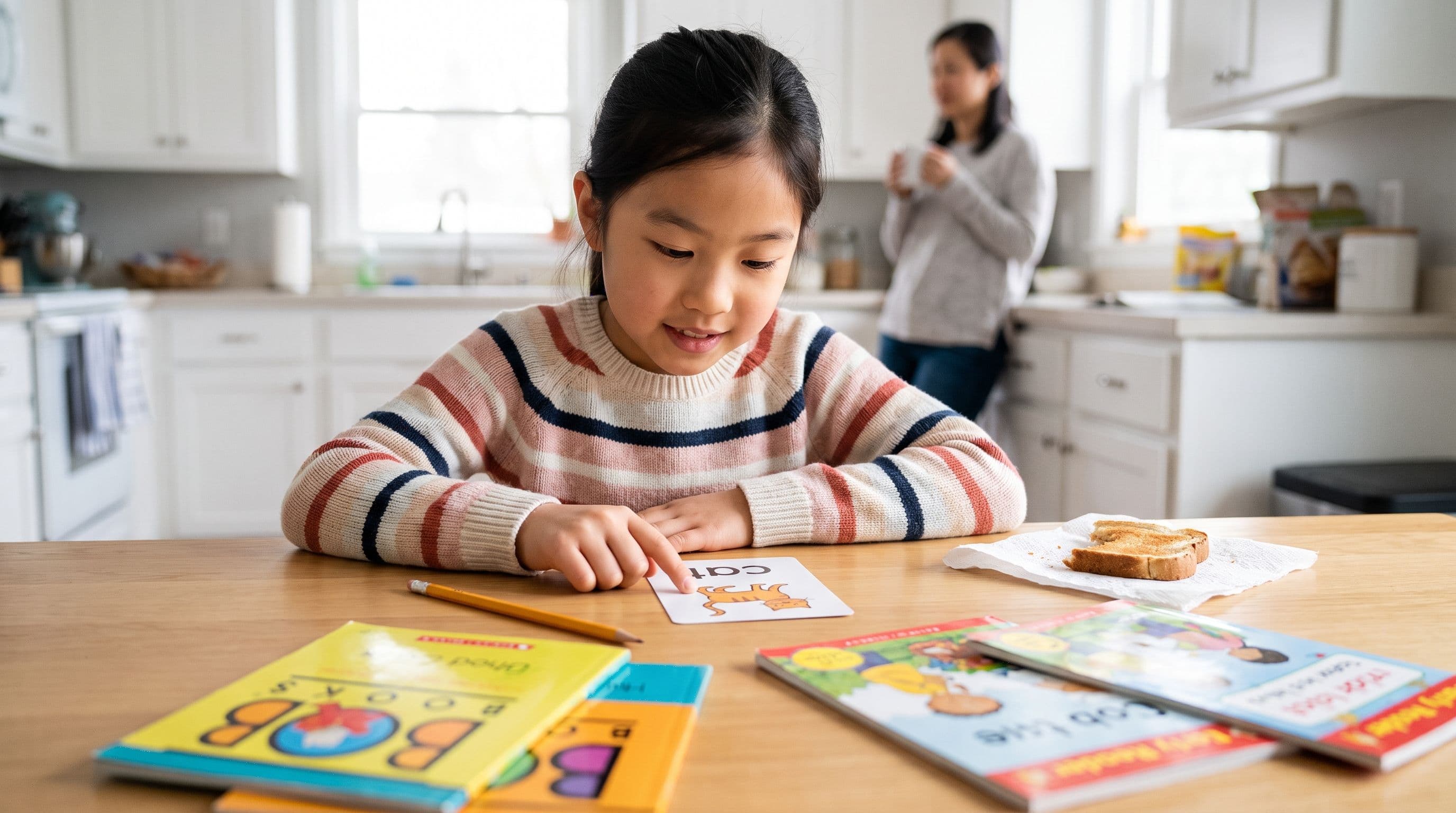
HOMER vs Reading Eggs for 6-Year-Olds: Best Fit?
Choosing between HOMER and Reading Eggs for a 6-year-old? Here’s the no-nonsense parent breakdown: which app teaches decoding, which one fits which child, and where Teach Your Kid to Read beats both for focused phonics.
Read More →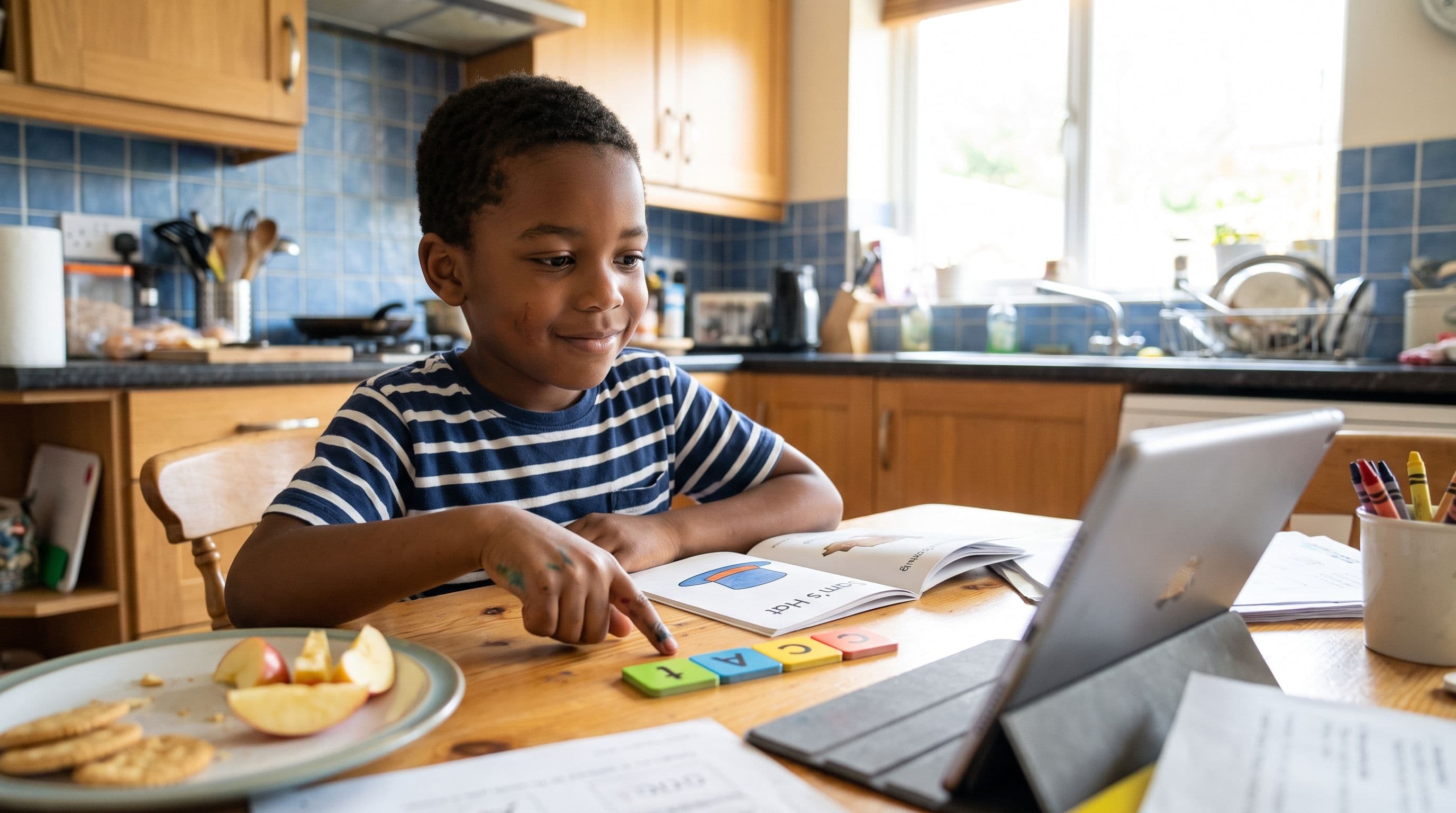
HOMER vs Reading Eggs for 5-Year-Olds: Best Fit?
Choosing between HOMER and Reading Eggs for a 5-year-old? I’m breaking down phonics quality, guessing risks, rewards, pricing, and the app I’d put first for decoding mastery.
Read More →