Reluctant Reader Help: 3rd Grade (Ages 8–9) Tips

What You'll Learn
- Start reluctant reader help by checking the skill before changing the reward. Listen to a short passage and notice guessing, effort and understanding—not just whether your child complains.
- Use reading benchmarks as clues, not verdicts. Hasbrouck and Tindal's 2017 US norms put the spring third-grade median at 112 words correct per minute; one home reading doesn't diagnose a problem.
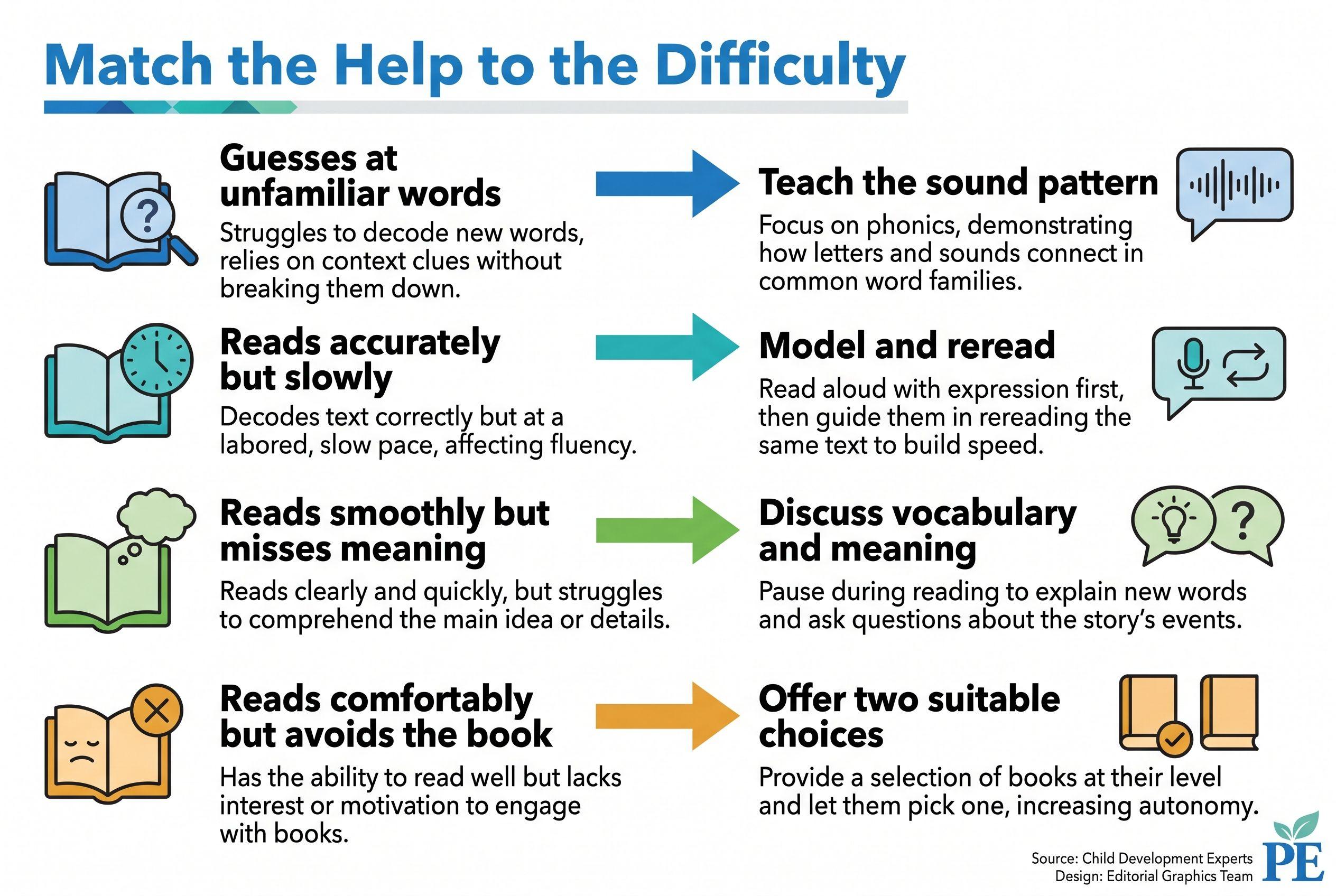
- Match the fix to the difficulty. Teach missing sound patterns, support fluent reading or offer more interesting books, depending on what you observe.
- Keep practice predictable and accuracy first. My son's “beat your record” challenge helped with familiar phonics drills, but a stopwatch isn't the right tool for every child.
For a 3rd grader: Best Reading Apps for 3rd Grade Long Words: 6 Picks Ranked
Reality Check: Find the Reason Before You Push Harder
The nightly book negotiation can swallow more time than the reading itself.
One more snack. A missing bookmark. A sudden, passionate interest in cleaning the hamster cage. Sound familiar? Useful reluctant reader help starts with finding out what your child avoids, rather than assuming every refusal means laziness.
For a reluctant reader in 3rd grade (ages 8–9), use this quick decision checklist:
| What you notice | What it might mean | Your first move |
|---|---|---|
| Your child guesses from the first letter or picture | A decoding gap or a guessing habit | Check familiar letter-sound patterns and model blending |
| Your child reads accurately but slowly, with obvious effort | Word recognition still takes considerable attention | Choose manageable text and try supported rereading |
| Your child reads smoothly but can't explain the passage | Vocabulary, language comprehension or attention may need support | Discuss a short section and explain unfamiliar language |
| Your child reads comfortably about dinosaurs but refuses another book | Interest, choice or task length may drive resistance | Offer two suitable choices and a clear stopping point |
| Your child becomes distressed even with manageable text | Anxiety or previous frustration may contribute | Lower the pressure and speak with the teacher about the pattern |
These possibilities overlap. A child can love dinosaurs and struggle to decode prehistoric.
For a numerical reference, Hasbrouck and Tindal's Oral Reading Fluency Norms (2017) give 112 words correct per minute as the spring third-grade 50th percentile in their US sample. That's a comparison point from an assessment procedure, not a universal pass mark or a target to chase through harder books.
You can't recreate that comparison with an arbitrary library page and a kitchen timer. Passage difficulty, assessment directions and accuracy matter. See the third grade reading benchmarks for context, and keep understanding in the picture.
What to Do If Reading Looks Harder Than It Should
Spend a minute or two listening to your child read a short, manageable passage. Notice whether they track the letters or replace unfamiliar words with plausible guesses. Then take the take the 2-minute reading check for an initial direction—not a diagnosis.
If your child says horse for house, the gap may involve decoding rather than motivation alone. But don't assume every refusal means weak phonics: accurate reading with poor understanding calls for a different conversation.
For a child who needs foundational phonics practice, I recommend Teach Your Kid to Read, a step-by-step program you do side by side for about 15 minutes a day. Lesson one teaches four sounds—m, s, p and short a—and blends them into real words. Lesson one is free, with no card and nothing to cancel. From lesson two, the whole program is a 7-day free trial, then US$9.95 a month. You can start lesson one free and check whether that starting point matches your child's needs.
An older child may already know those first sounds. Don't treat the opening lesson as a full assessment, and don't replace school intervention with an app when your child needs specialist teaching.
The Tiger Truth: Avoidance Doesn't Teach Missing Skills
Waiting for enthusiasm won't teach a vowel pattern your child doesn't know.
By this stage, school reading increasingly carries information: directions in math, explanations in science and unfamiliar vocabulary across subjects. When word reading consumes all a child's attention, the meaning can slip away. Then reading feels unsuccessful, so avoiding it makes perfect sense to the child.
That isn't a character flaw. It's a reason to act.
The 112-words-correct-per-minute comparison above helps explain why teachers monitor fluency, but speed alone doesn't define a reader. A child who reads quickly and misunderstands the passage still needs help. A slower child who understands deserves support without a scary label.
The 2000 report from the US National Reading Panel found benefits from systematic phonics instruction and guided repeated oral reading. That supports explicit teaching and supported practice in general; it doesn't establish results for Teach Your Kid to Read specifically.
Early help matters, and older struggling readers can still improve. I won't tell a parent that missing an age deadline makes catching up impossible. I also won't recommend another term of “let's see” when the same errors keep showing up.
If decoding looks difficult, bring examples to the teacher now. The third-grade struggling-reader action plan explains how to turn those observations into a more focused support conversation.
My Son Thought Phonics Was Baby Stuff
My son would skip phonics practice every chance he got. “I already know this, Mom.” Then he'd rush through blending exercises, make careless mistakes and ask for “real books.” Apparently, drills belonged in the same category as toddler socks.
I understood the complaint. I didn't accept inaccurate reading as proof that he'd mastered the skill.
So I started timing a familiar drill: “Can you beat your record from yesterday?” The task stayed the same, but his attention changed. His accuracy actually improved because he paid attention instead of rushing carelessly. Two years later, I still do timed drills with him.
Here's the boundary: I count careful reading, not a frantic finish. If the timer produces guessing or tension, it goes away. I don't time a brand-new pattern and expect pressure to teach it.
That experience shapes my reluctant reader help: change the practice format without abandoning the teaching goal.
I've taught my two oldest to read, and I'm currently working with my 4-year-old while my 1-year-old supplies background percussion. My children, ages 10, 7, 4 and 1, don't all need the same motivational trick. A challenge that energizes one child can make another freeze.
Match the Motivation Trick to the Reading Skill
When Your Child Guesses, Teach the Print
Imagine Maya sees ship and says “boat” because the illustration shows a boat. The answer makes sense in the story. It doesn't match the letters.
Say, “That picture shows a boat. Now look at this word. These two letters, sh, spell /sh/. Let's read /sh/ /ĭ/ /p/: ship.” Then have Maya reread the sentence.
My rule is No Guessing. Pictures can support conversation and understanding, but they don't identify the printed word for a child. After decoding, checking whether the sentence makes sense remains useful.
Linnea Ehri's 2005 review, Learning to Read Words: Theory, Findings, and Scientific Studies, describes how connections between spellings and pronunciations support word learning. This helps explain orthographic mapping: readers build lasting connections among a word's spelling, sounds and meaning rather than memorizing its overall visual shape.
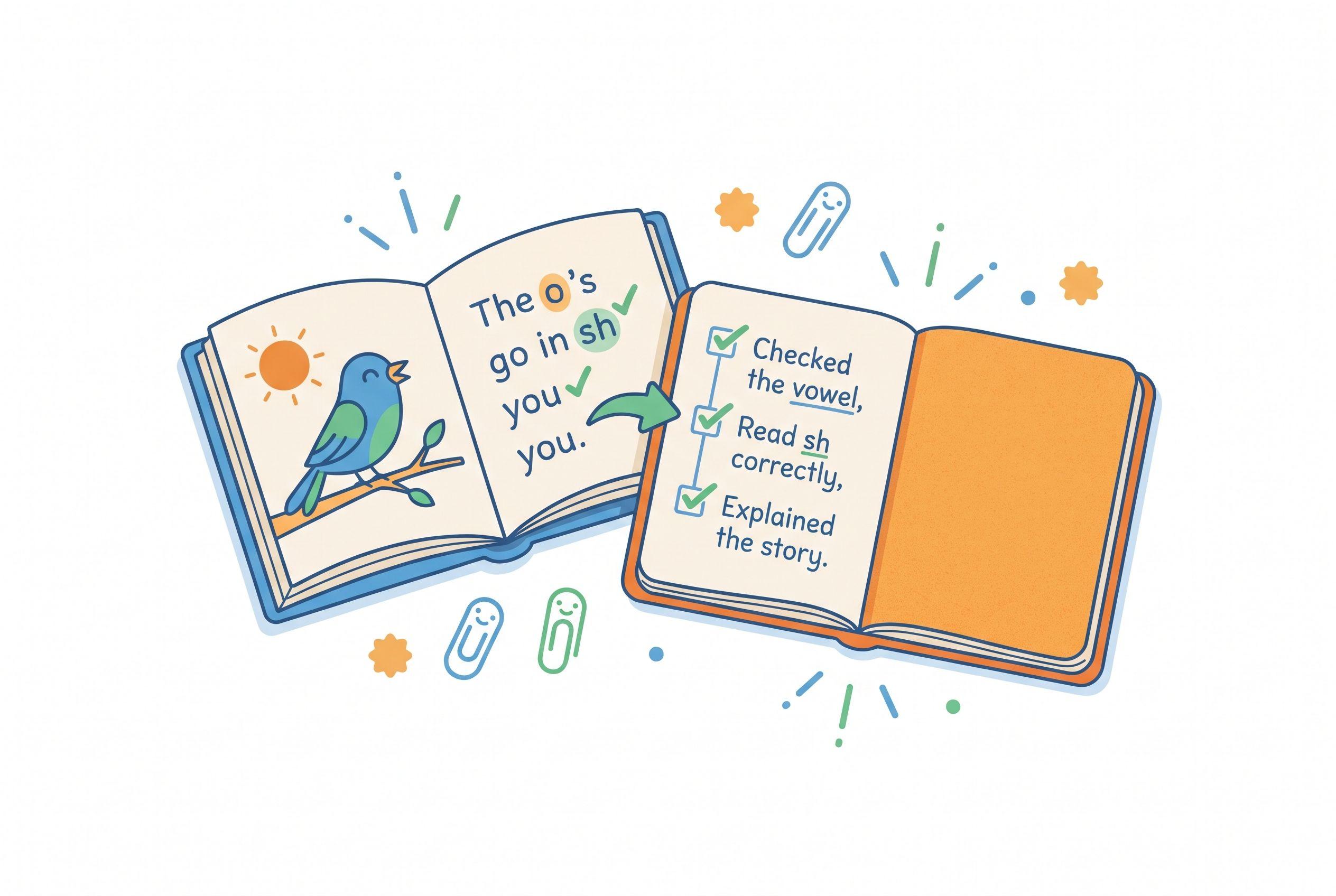
For reluctant reader help, that means praise a specific action: “You checked the middle vowel and corrected it.” That's more informative than “You're so smart.”
When Reading Is Accurate but Laborious, Share the Load
Try echo reading: read a short section aloud while your child follows. Have your child read it after you, then talk about its meaning. Keep the section manageable enough that rereading feels achievable.
You can also alternate paragraphs. Your turn doesn't cancel your child's practice; it keeps the story moving without requiring an exhausting solo performance.
Don't turn every unfamiliar word into a five-minute interrogation. Model the difficult part, let your child respond and return to the sentence.
When the Skill Looks Comfortable, Offer Real Choices
If your 8 year old doesn't want to read a particular book but comfortably reads another, investigate the book before rebuilding the phonics routine.
Offer two choices: a sports biography or a mystery, for example. Comics and nonfiction count as reading. Check their actual language demands, though—a graphic novel can contain very challenging vocabulary.
For third grade reading motivation, a clear finish often helps more than “read for a while.” Try, “Read this short section with me, then tell me the weirdest fact.”
Audiobooks and parent read-alouds also let children enjoy richer stories. Keep those opportunities alongside print practice, not in place of needed instruction.
Action Steps: A Practical Reluctant Reader Help Plan
Use this sequence to replace a vague battle with observations you can act on. This isn't a promise that resistance disappears within a week.
-
Ask about the hard part outside reading time. Try, “Does reading feel too hard, too boring or embarrassing when someone listens?” Accept the answer without launching your closing argument.
-
Watch a short reading sample. Choose manageable text and note substitutions, long pauses and self-corrections. Ask your child to explain what happened. Use our free reading-level-by-age check to organize skills you've actually observed rather than skills you hope they've mastered.
-
Pick one teaching target. If your child confuses short vowels, work on that contrast. If they read words accurately but lose the sentence meaning, practice phrasing and discussion. Don't pile five separate weaknesses into one sitting.
-
Set a predictable practice appointment. Put it after a stable daily event, such as the afternoon snack. For foundational phonics, Teach Your Kid to Read provides a parent-led routine of about 15 minutes. Stay beside your child and notice the errors; the screen doesn't replace your attention.
-
Finish with successful reading. Choose a short passage that includes patterns your child knows. Offer age-respectful topics even when the reading level needs to stay simple. Let your child choose between two suitable options.
-
Record the skill, not just the minutes. Write something concrete: “Read sh correctly without a prompt” or “Explained why the character left.” If your child enjoys a timed familiar drill, compare only with their own earlier performance and keep accuracy first.
-
Bring recurring difficulties to the teacher. Ask what assessment shows about decoding, fluency and comprehension, what instruction will address the gap and how the teacher will monitor progress. Ask whether a phonological-awareness assessment such as David Kilpatrick's PAST would help clarify sound-level difficulties; follow its directions rather than improvising scores.
Start with a manageable lesson beside your child, not another instruction to “go read.”
The PAST doesn't diagnose dyslexia or cover every part of reading. A qualified educator can interpret it alongside word reading, spelling and language information. For expectations rather than a home-made pass/fail test, compare your observations with what to expect at age 8.
Keep the Boundary Without Making Books a Punishment
My Tiger Rule is We Never Skip: I keep a daily reading habit on birthdays, holidays and vacations. That can mean a very brief review rather than a full lesson. Illness, exhaustion or distress calls for care and adjustment, not a showdown over a worksheet.
Consistency doesn't require inflexibility.
When a third grader refuses to read, offer a choice inside the routine: “Would you like to read beside me on the couch or at the table?” Keep the task small enough to start. Don't keep adding pages because the first part went well—that teaches a child that cooperation earns extra work.
And honestly? I don't mind a silly voice or a personal-record challenge. I mind an activity that entertains everyone while the child keeps guessing at every word. Fun can support practice; it can't substitute for the skill.
If reading brings persistent tears, headaches, trouble seeing the page or intense fear, talk with the teacher and an appropriate health professional. Ask for a reading evaluation when difficulties persist despite teaching, particularly with a family history of dyslexia. You don't need to wait for a child to fail spectacularly before asking questions.
Make the Next Session Smaller and More Useful
The best reluctant reader help gives you a specific next move: teach the confusing pattern, share a difficult passage or offer a better-matched book.
Tonight, choose one manageable task and one thing to notice. Tomorrow, use what you learned. Your child doesn't need a speech about loving books before you can help them read more successfully.
If foundational sounds and blending need work, sit beside your child for lesson one and watch how they respond.
FAQ
How Do I Know Whether My Child Is Reluctant or Struggling?
Listen to reading, not just complaints. Frequent guessing, difficulty blending and repeated errors on familiar patterns suggest a skill gap. Comfortable, accurate reading in preferred material may point more toward interest or task design. Both can happen together, so ask the teacher for assessment information.
How Do I Motivate a 3rd Grader to Read Without Bribes?
Offer two suitable books, set a clear stopping point and read alongside your child. Notice specific successes, such as correcting a vowel error. A personal-record challenge can help with familiar drills if your child enjoys it, but remove the timer if accuracy drops or anxiety rises.
Should I Time My Child's Reading?
You don't need a timer for everyday reading. My son responded well to timed, familiar phonics drills, but that doesn't make timing appropriate for new material or every child. Formal fluency comparisons require suitable passages and consistent assessment procedures; a random book page won't give an equivalent score.
Can an App Fix Reading Resistance?
An app can structure practice, but it can't tell you every reason a child avoids reading. Teach Your Kid to Read offers parent-led phonics practice for about 15 minutes a day. Use it for a matching foundational skill need, not as a replacement for assessment or individualized intervention.
When Should I Ask for Extra Help?
Ask now if your child regularly guesses, struggles to read manageable text or becomes distressed during reading. Bring examples and request a clear teaching plan with progress checks. You don't need a diagnosis before asking the school what support it can provide.
From teachyourkidtoread.org/blog/reluctant-reader-help-3rd-grade-ages-8-9-tips
Part of these guides

Xia Brody
Co-Founder, Teach Your Kid to Read
Mom of 4 who has successfully taught her kids to read. Currently in the trenches with her 4-year-old while her two oldest (10 and 7) devour books on their own. Passionate about phonics-based methods and building a lifelong love of reading.
Related Articles
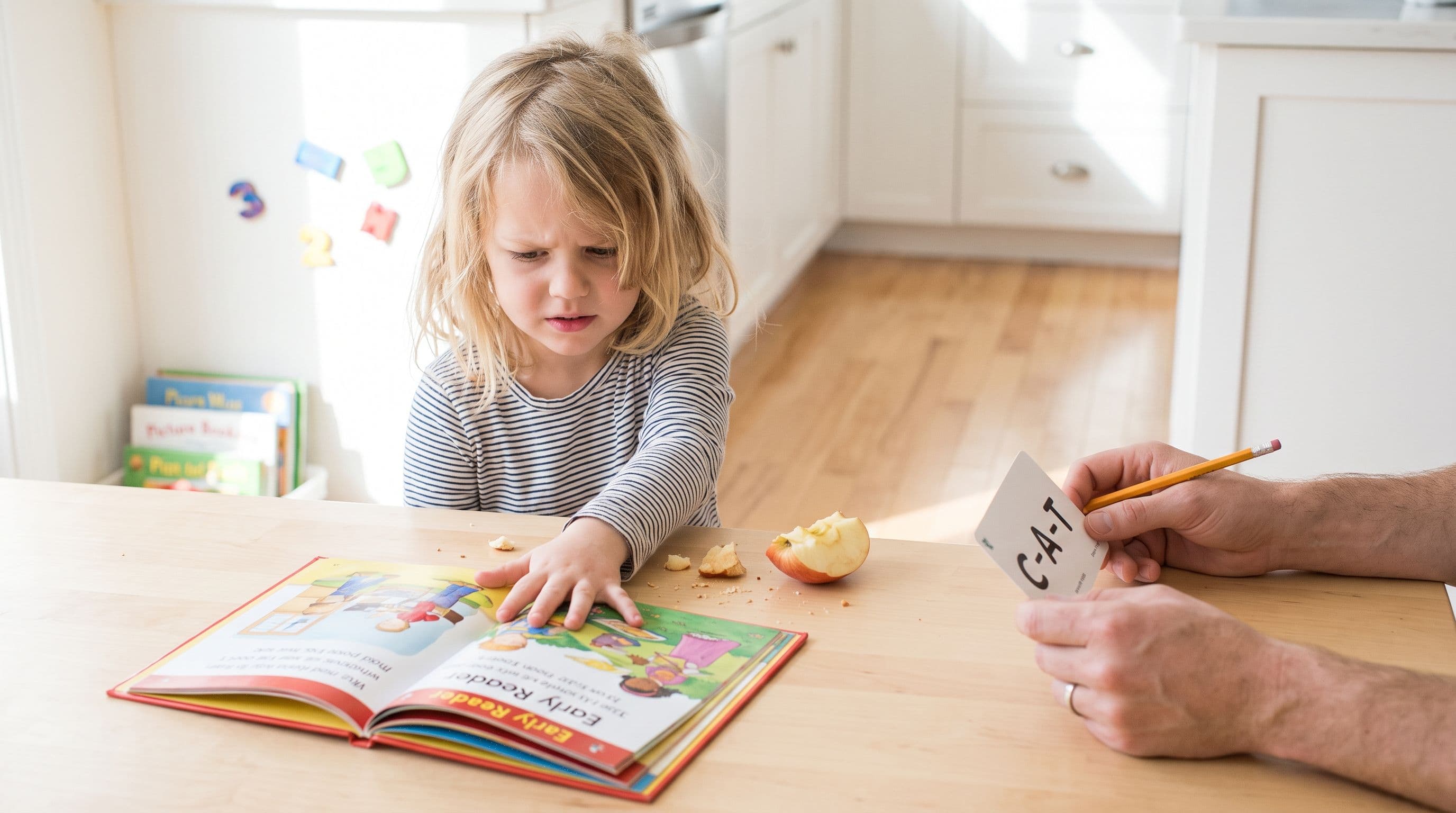
My 6 Year Old Hates Reading: 7 Fast Fixes
If your 6-year-old refuses to read, don't wait it out. Here's the no-nonsense app comparison and 7-step rescue plan I'd use at my own kitchen table.
Read More →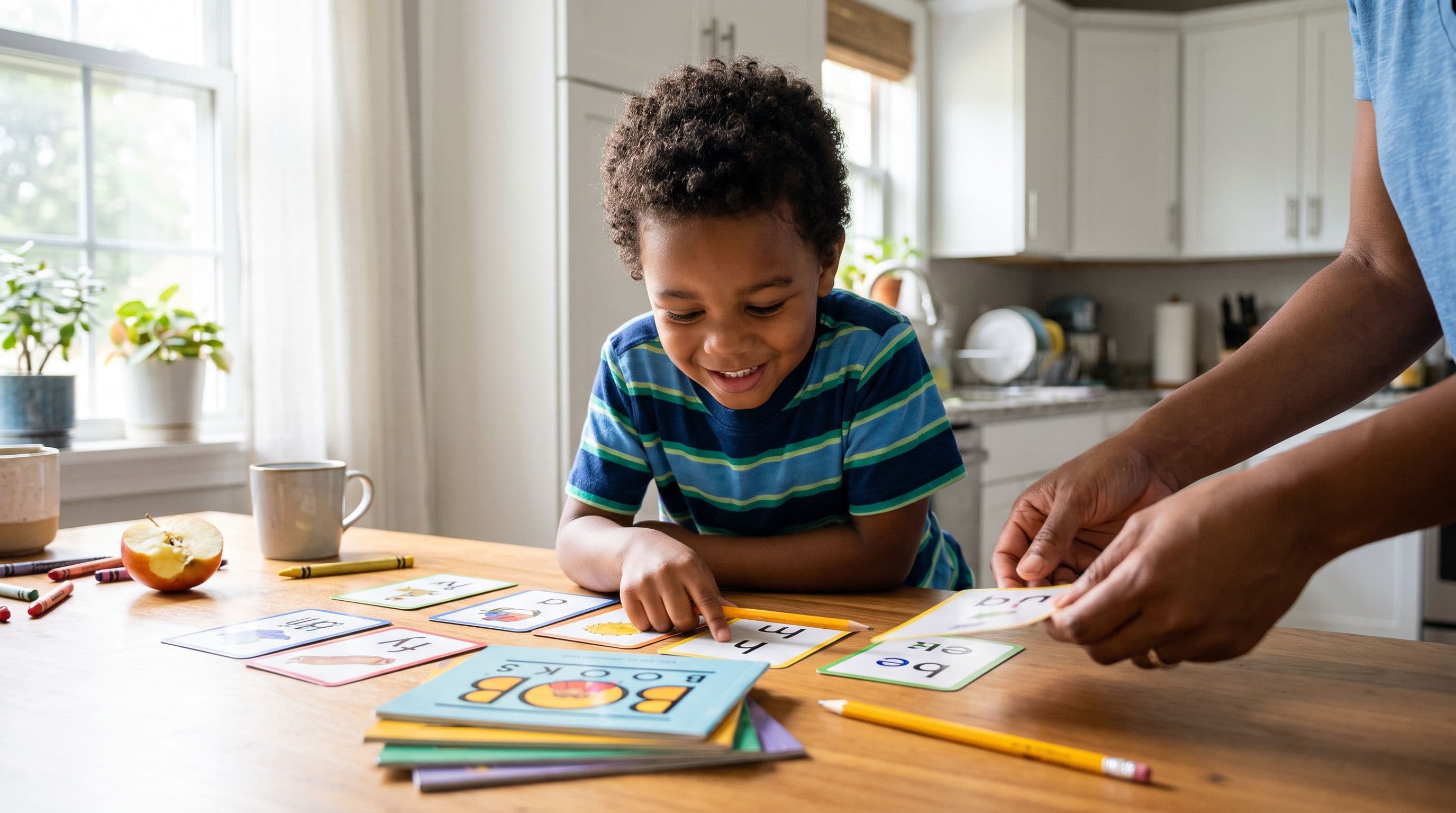
My 8 Year Old Can't Read: Best Apps + Rescue Plan
If your 8-year-old is still guessing at words, this is not a wait-and-see moment. Here’s my no-nonsense app comparison and rescue plan for getting real phonics intervention started now.
Read More →
My 3rd Grader Can't Read: Warning Signs + 4 App Picks
An app can support reading practice, but it can't replace an assessment or targeted teaching. Here are four ranked options, the warning signs I'd take seriously and a concrete plan for getting help.
Read More →