When Your Child Refuses to Read at Home But Reads at School: The Tiger Mom's Solution
When Your Child Refuses to Read at Home But Reads at School: The Tiger Mom's Solution
Your kid suddenly developed selective reading amnesia the moment they walked through your front door, but somehow they're a phonics superstar at school? When a child reads willingly at school but refuses at home, it's rarely about ability—it's about control and emotional pressure. School provides neutral territory with peer modeling, while home reading often carries parental anxiety that children sense and resist. The solution isn't another expensive program or pushing harder; it's removing the performance pressure that transforms reading from learning into a power struggle.
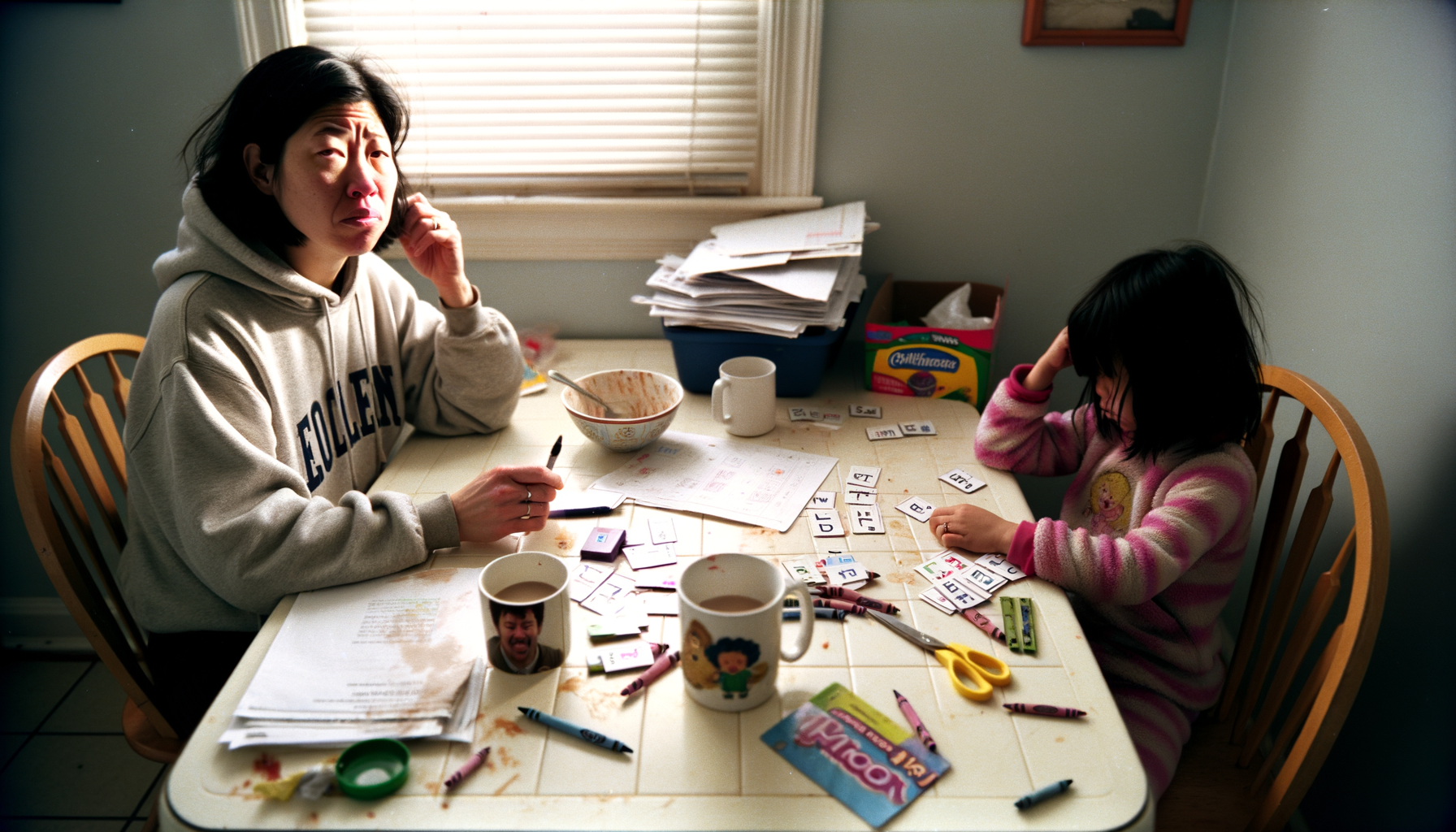
I've been there with my oldest. She could blend sounds beautifully for her teacher, but the moment I pulled out our phonics cards at home, it was like I'd suggested we do calculus while standing on our heads. The meltdowns were epic. The resistance was real. And honestly? I was making it worse by turning every reading moment into a test.
Unlike typical advice to "just make it more fun" or buy another curriculum, what actually works is understanding that your home has become emotionally charged reading territory. Here's how to reclaim it without losing your sanity.
Why Does My Child Read at School But Not at Home?
Your child isn't being difficult—they're being human. At school, reading happens within a structured routine where everyone does it together. There's no emotional baggage, no disappointed parent faces, and definitely no "But you knew this yesterday!" energy.
At home, we accidentally turn reading into performance time. Every book becomes a quiz. Every page becomes a test. Your child feels the weight of your expectations (and probably your grade retention fears), so they shut down completely.
Why this works: When children sense our anxiety about their progress, they internalize reading as something stressful rather than enjoyable. School feels safe because teachers manage their emotions better—they're not personally invested in your child's success the way you are.
How Can I Remove the Pressure from Home Reading?
Stop All Pointing and Testing
If your child melts down when you point to words, stop pointing to words. Read TO them without any expectation of participation. Let them see you enjoying books. When they're ready, they'll start participating naturally.
Most guides tell you to seize every "teachable moment." But in my experience with resistant readers, every teachable moment becomes a battleground. Instead, I recommend using what kindergarteners should actually know by year's end to calibrate your expectations and reduce the daily pressure.
Why this works: You're rebuilding positive associations with books and reading time. Once the emotional charge is gone, children naturally become curious about the words they're hearing.
Create a Family Reading Culture
Everyone reads at the same time—you with your book, them with theirs (even if they're just looking at pictures). No instruction, no questions, just coexisting with books. Make it as routine as brushing teeth.
Why this works: Children learn more from what they see than what we tell them. When reading becomes part of family culture rather than kid homework, resistance drops significantly.
What About All Those Phonics Materials I Already Bought?
Put them away. Seriously. If flashcards and workbooks trigger meltdowns, they're working against you right now. Your child is getting systematic phonics instruction at school—that's enough.
The conventional wisdom says more practice equals faster progress. But with strong-willed kids who excel in other areas (hello, math whiz!), pushing harder often creates deeper resistance. I recommend using how phonics instruction actually works to understand why school-based instruction is sufficient.
Why this works: You're removing the battle triggers from your home environment. School handles the technical instruction; home handles building the love of reading.
Key Takeaways:
- School Success Counts: If your child participates in school reading activities, they're learning—home resistance doesn't negate classroom progress
- Emotional Safety First: Reading at home needs to feel completely different from school instruction to avoid overwhelm
- Math Skills Transfer: Children who excel at math often become strong readers once the emotional blocks are removed—the brain power is clearly there
- Grade Retention Fears: Kindergarten reading standards are lower than most parents think—school participation suggests your child is likely on track
Here's the truth most parenting content won't tell you: sometimes backing off is the most productive thing you can do. Your child is learning at school. They love books when there's no pressure. They're clearly intelligent (that math ability proves it). Trust the process, remove the home pressure, and watch what happens when reading becomes enjoyable again instead of another way to potentially disappoint mom and dad.
Your job isn't to replicate school at home—it's to make sure your child still loves books when they finally crack the reading code.
